Hey there, folks! I’m a supplier of Paulownia wood boards, and today I wanna chat about one super important aspect of these boards: their abrasion resistance. Paulownia Wood Board

First things first, let’s understand what abrasion resistance actually means. In simple terms, it’s how well a material can withstand wear and tear from friction, rubbing, scraping, and all that jazz. For a wood board like Paulownia, this is a big deal. Whether it’s used in furniture, flooring, or even in some industrial applications, the ability to resist abrasion can determine how long the product lasts and how good it looks over time.
So, how does Paulownia wood board stack up in the abrasion – resistance department? Well, Paulownia wood has some unique properties that give it a decent shot at holding up against abrasion.
Paulownia is a fast – growing hardwood. Now, you might think that fast – growing means it’s soft and won’t resist abrasion well. But that’s not entirely true. The structure of Paulownia wood is relatively uniform. Its cells are arranged in a way that provides a certain level of toughness. When it comes to abrasion, this uniform structure helps distribute the force of friction more evenly. Instead of having weak spots that wear out quickly, the whole surface of the board can handle the rubbing and scraping to a degree.
Another factor is the density of Paulownia wood. It’s not as dense as some other hardwoods like oak or teak, but it’s not super light either. This medium density gives it a balance. It’s light enough to be easy to work with, but dense enough to offer some resistance to abrasion. For example, in furniture making, a Paulownia wood board can take a fair amount of daily use. If you have a Paulownia – made coffee table, it can handle the occasional sliding of a coaster or the movement of a book without getting too scratched up right away.
However, it’s important to note that Paulownia’s abrasion resistance has its limits. In high – traffic areas or applications where there’s a lot of heavy – duty use, it might not perform as well as some of the more dense hardwoods. For instance, if you’re thinking of using Paulownia wood for a commercial flooring in a busy store, it might show signs of wear faster compared to a more abrasion – resistant material.
But don’t let that discourage you! There are ways to improve the abrasion resistance of Paulownia wood boards. One of the most common methods is finishing. Applying a good quality finish like a polyurethane coating can significantly enhance the board’s ability to resist abrasion. The finish acts as a protective layer on the surface of the wood. It fills in the small pores in the wood, making it smoother and less prone to scratches. You can choose from different types of finishes, like matte or glossy, depending on your aesthetic preferences and the specific use of the board.
Another option is to use laminates. Laminating a Paulownia wood board can add an extra layer of protection. There are various types of laminates available, some with high – abrasion – resistant properties. This can be a great choice for applications where the board will be exposed to a lot of wear, such as in kitchen cabinets or countertops.
Now, let’s talk about why this matters for you as a potential buyer. If you’re in the market for wood boards, abrasion resistance is a key consideration. For homeowners, you want furniture and flooring that will look good and last for years. Paulownia wood boards, with their decent abrasion resistance and the ability to be enhanced, can be a great choice. They offer an affordable and sustainable alternative to some of the more expensive hardwoods. And if you’re a business owner, using Paulownia wood boards can help you keep costs down while still providing a quality product to your customers.
As a supplier, I’ve seen firsthand the benefits of Paulownia wood boards. I’ve had customers who were initially skeptical about using Paulownia because of its relatively lower density compared to some other woods. But after we talked about its abrasion – resistant properties and how we could enhance them, they decided to give it a try. And most of them have been really happy with the results.
For example, a local furniture maker used our Paulownia wood boards to create a line of entry – level bedroom furniture. At first, they were worried that the boards wouldn’t hold up well against the normal use in a bedroom. But after sanding and applying a few coats of a high – quality polyurethane finish, the furniture looked great and was able to withstand the daily wear and tear from moving clothes, opening and closing drawers, and so on. The customers who bought the furniture were also impressed with its durability.
So, if you’re looking for wood boards that offer a good balance of cost, sustainability, and reasonable abrasion resistance, Paulownia wood boards are definitely worth considering. Whether you’re a DIY enthusiast, a furniture maker, or a contractor working on a big project, we’ve got the boards for you.
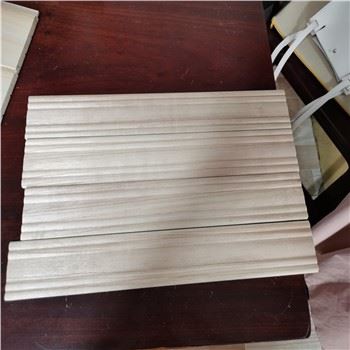
If you’re interested in learning more about our Paulownia wood boards or have any questions about their abrasion resistance or other properties, don’t hesitate to reach out. We can have a chat, and I’ll be more than happy to help you figure out if our boards are the right fit for your needs.
Solid Wood Board References:
- Wood Handbook: Wood as an Engineering Material. Forest Products Laboratory.
- Journal of Wood Science. Various research papers on wood properties, including abrasion resistance.
Cao County Hengyu Woods Co., Ltd.
Cao County Hengyu Woods Co., Ltd. is one of the leading paulownia wood board manufacturers and suppliers in China. We warmly welcome you to wholesale customized paulownia wood board at low price from our factory. Good service and cheap products are available. For free sample, contact us now.
Address: Cao County, Heze City, Shandong Province, China
E-mail: anna@hengyuwood.com
WebSite: https://www.hengyuwooden.com/
