If you work in machining, metal fabrication, or any industry that relies on precision cutting, cutting oil isn’t just a secondary supply—it’s the backbone of your process. I’ve spent 12 years as a cutting oil supplier, working side by side with small job shops and large automotive manufacturing plants across the Midwest, and one of the most common calls I get is: “Why is my machining performance dropping, and I can’t figure out why?” More often than not, the culprit isn’t a dull tool or a misaligned machine—it’s bad cutting oil. Cutting Oil
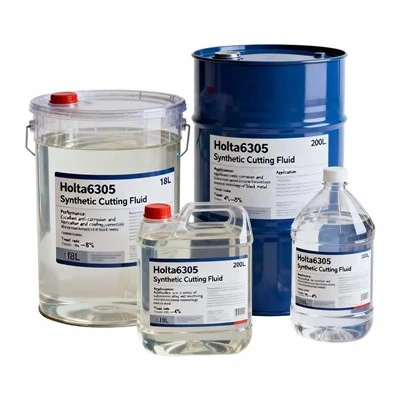
Too many operators and maintenance teams ignore the small, early signs of degraded cutting oil, writing off slower cuts or scorched parts as normal wear and tear. But here’s the hard truth: using oil that’s gone bad costs you more than just a fluid change. It leads to broken tools, scrapped parts, longer cycle times, and even higher workplace safety risks. Today, I want to walk you through the real, observable signs of bad cutting oil—signs I’ve seen first-hand in dozens of shops, not just from textbooks. I’ll also share what we do as a supplier to help teams catch these issues early, before they turn into costly problems.
Let’s start with the most obvious, yet most overlooked, sign: changes in the oil’s appearance. When cutting oil is new, it’s a consistent, clear (or slightly amber) liquid. Over time, though, it starts to break down. One of the first visual red flags is a cloudy, murky appearance. I had a shop in Detroit call me last year—they were running stainless steel parts for a food processing line, and their oil looked like chocolate milk. When we tested it, it was full of suspended metal shavings and contaminated water. Another visual sign is darkening, especially turning black or a deep, burnt brown. Good cutting oil should stay relatively stable in color, even after weeks of use. If it’s so dark you can’t see through a clear sample jar held up to natural light, that’s a surefire sign that the additives are breaking down and the oil is absorbing too much debris from the cut zone.
Next, smell. New cutting oil has a mild, slightly petroleum-like odor. Once it goes bad, that changes dramatically. I’ve described this to customers as a pungent, sour smell—think rotting eggs or fermented vegetation. That odor comes from bacterial and fungal growth, which thrives in cutting oil, especially when moisture gets in. I once visited a job shop where the entire fluid room smelled so strong I had to grab my keys and go outside for a minute before talking to the maintenance team. They’d ignored the smell for months, writing it off as “just machining odors.” By the time they called me, their oil had a bacterial load high enough to cause skin irritation for their operators, and their tool life had dropped by 40%. That’s not just an annoyance—it’s a health hazard.
Moving beyond surface-level observations, there’s one sign that’s impossible to miss if you’re on the shop floor: tool failure and part quality issues. Let’s be specific here: bad cutting oil doesn’t lubricate or cool the tool-workpiece interface like it’s supposed to. If your tools are breaking prematurely—say, end mills that should last 8 hours only lasting 2 hours—that’s a red flag. Scorched or discolored part surfaces are another big one. I’ve seen aluminum parts that came out of the mill with gray, burnt patches instead of the smooth, bright finish they should have. That’s because the oil can’t carry away heat fast enough, so the workpiece overheats, and the tool rubs instead of cuts, causing friction that eats away at the tool and damages the part. Even dimensional inaccuracies can be tied to bad oil: if the heat causes the workpiece to expand unpredictably during cutting, you’ll get parts that are out of spec, costing you time and material to scrap or rework.
Another sign a lot of people overlook is increased machine friction and performance drops. You’ll notice this in two ways: first, the machine’s spindle runs hotter than usual, or there’s an unusual grinding or humming noise during cuts. I had a customer with a CNC lathe that started making a loud, consistent noise during deep cuts. They blamed the spindle bearing, but when we drained and tested their cutting oil, it was full of metal shavings that were acting like tiny abrasives. These shavings can also clog the machine’s filter system, causing pressure drops that force the machine to work harder to deliver oil to the cut zone. That leads to higher energy bills too—something most shops don’t connect to their cutting oil. I’ve seen a small shop save $1,200 a month in electricity just by switching to a properly maintained, high-performance cutting oil that didn’t cause their machines to drag.
Wait, let’s talk about contamination specifically. A lot of bad cutting oil issues stem from hidden contamination that builds up over time. I recommend that every customer keep a simple test kit on hand: a glass jar, a filter paper, and a magnifying glass. When you take a sample, pour a small amount through the filter and let it dry. If you see visible particles on the filter—metal chips, rust, or even dirt from the shop floor—that’s a sign the oil is contaminated. Water contamination is even more insidious; it’s often called “free water” or dissolved water, and you might not see it until you heat a small sample on a stove (carefully!) and it sputters, or you feel a cool, slimy texture instead of the oil’s normal slippery feel. Water in cutting oil breaks down the lubricating additives, leading to more friction and rust on machine parts, too.
Now, let’s get practical. I know as a supplier, I don’t want to just list problems—I want to give solutions. Over the years, I’ve worked with hundreds of shops to create simple maintenance routines that catch bad cutting oil before it causes major damage. First, establish a regular sampling schedule. We advise customers to take a sample every 3 months for high-use equipment, or every 6 months for lighter use. We test these samples for pH levels (if pH is below 8, that’s a sign of bacterial growth), viscosity, and contamination—easy, low-cost tests that take 48 hours. Second, don’t skip regular draining and filtering. A lot of shops try to top off old oil instead of changing it, but that just dilutes the new oil and keeps the bad contaminants in the system. We’ve also found that switching to an emulsion or semi-synthetic oil with better microbial resistance cuts down on the sour smell and degradation we see in pure petroleum-based oils.
Let me be clear: not every small change in your process means your cutting oil is bad. A tool that dulls from old workpieces, or a machine that’s not calibrated—those are separate issues. The signs I’m talking about are consistent, noticeable across multiple machines, and don’t go away when you sharpen a tool or calibrate a spindle. If you’re seeing cloudy oil, sour smells, frequent tool breaks, or parts coming out with scorched patches, that’s your oil speaking—you just have to listen.
I’ve seen shops lose thousands of dollars because they ignored these signs. Last year, a plant in Chicago had to scrap 2,000 auto parts because their oil had gone bad, leading to dimensional errors. They waited 6 months to call us, and by then, they had to replace two spindle bearings too. That $50,000 mistake could have been avoided with a $100 oil sample test. On the flip side, I’ve seen shops that do regular checks and change oil on schedule cut their tool costs by 30% and scrap rates by 15%. That’s not a small win—that’s a direct boost to their bottom line.
As a cutting oil supplier, my job isn’t just to sell you a drum of fluid. It’s to make sure that fluid works for your process, not against it. We offer free oil analysis for our customers, and we’ll come to your shop to help you set up a simple maintenance schedule tailored to your equipment and workload. If you’re noticing any of the signs I’ve talked about—if your oil looks off, smells odd, or your parts and tools aren’t performing like they should—don’t wait. The longer you put it off, the more it’s going to cost you.
Machining is all about precision, and every part of your process needs to be dialed in. Cutting oil is no exception. The next time you change your oil, take a minute to look at it, smell it, test a sample. It might seem like a small step, but it could be the difference between a profitable run and a costly mistake. If you’re ready to stop guessing about your cutting oil and start getting consistent, reliable performance, reach out to us to discuss your needs. We’re here to help you keep your operation running smoothly.
Hydraulic Oil References:
- Machining Data Handbook, 5th Edition. Society of Manufacturing Engineers, 2020.
- Cutting Fluid Maintenance Best Practices. National Institute for Occupational Safety and Health (NIOSH), 2019.
- Industrial Lubricants and Fluid Technology. Elsevier, 2021.
MoGen Lubricating Oils
With abundant experience, we are one of the most professional cutting oil manufacturers and suppliers in China. We warmly welcome you to wholesale custom made cutting oil from our factory. If you have any enquiry about cooperation, please feel free to email us.
Address: No.8003 Chewang Rd, Economic Development Zone Of Jinan, Shandong Province, China 250301
E-mail: sales@mogenoils.com
WebSite: https://www.mogen-oil.com/
