Hey everyone, let’s cut right to the chase: if you’re in the metallurgy, glass, or even high-heat processing game, you’ve definitely encountered a tuyere. But let’s be real—off-the-shelf parts rarely fit exactly what you need, right? That’s the question I get nonstop as a tuyere supplier: “Can a tuyere be customized?” Spoiler alert: yes, it absolutely can. But let’s break this down like we’re chatting over a coffee (or maybe a cold beer after a long day—we’ve all been there) because there’s way more to custom tuyeres than just slapping a new part number on something. Tuyere
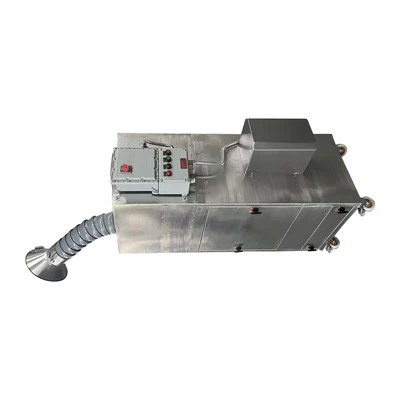
First, let’s make sure we’re on the same page about what a tuyere actually does, because a lot of people mix this up with other furnace parts. A tuyere is that critical nozzle that blows air, oxygen, or even fuel into a high-heat chamber—like a blast furnace for iron, a glass melting furnace, or a wastewater incinerator. It’s the bridge between your fuel source and the reaction zone, so if it’s not sized, shaped, or made right, you’re looking at inefficient burns, hot spots that eat away at the lining, or even unexpected shutdowns that cost you thousands (or millions) in downtime. Off-the-shelf tuyeres are great for basic setups, but if your operation is running at 1,800°C, has a weird airflow requirement, or uses a fuel mix that’s way different from standard specs, one-size-fits-all is just asking for trouble.
Now, why do people even need custom tuyeres in the first place? Let’s run through the most common scenarios I see day in and day out. First up: furnace retrofits. I had a client last year who upgraded their blast furnace to run on higher oxygen levels to boost iron output. Their old stock tuyeres were sized for 23% oxygen, but they bumped it to 35%—stock parts couldn’t handle the faster airflow without causing turbulence that was making their furnace lining crack. Another one: small-batch glass manufacturers. They don’t run 24/7 like big plants, so their melting chambers are shaped weirdly—they need a tuyere that fits a non-standard port, not the 6-inch round hole every stock part is made for. Oh, and material science is a big one. Some operations run on super corrosive fuels, like syngas from biomass, which eats through standard carbon steel tuyeres in weeks. You need a custom blend of alloys, maybe with a ceramic coating, to handle that without constant replacements.
Wait, but let’s talk about what customization actually means, because it’s not just “make me something different.” At our shop, when a client asks for a custom tuyere, we walk through a whole process to make sure it actually solves their problem, not just checks a box. First, we start with their specs—where is the tuyere going? What’s the maximum temperature it’ll face? What’s the flow rate of the gas it’s blowing? What material is the furnace lining, so we know how to seal the tuyere without leaks? A lot of guys call in and say “I need a custom tuyere” without realizing that forgetting a detail like the thread size for the air line connection will make the whole thing useless. We’ve learned to ask those annoying, specific questions up front so we don’t waste anyone’s time.
Next, material selection. This is where customization gets really science-y, but we keep it simple for our clients. Stock tuyeres use a handful of standard materials: carbon steel for low-heat, stainless steel for medium, maybe cast iron for blast furnaces. But custom options? We’ve got high-alloy steels like Inconel for super high heat, ceramic matrix composites that can handle way more corrosion, even water-cooled tuyeres with custom cooling channels for clients running at 2,000°C. Last quarter, we did a set of custom water-cooled tuyeres for a copper smelter that needed tighter cooling to prevent slag buildup—stock water-cooled parts had straight, round channels that didn’t circulate water evenly, so they developed hot spots. We machined the channels to be elliptical, and placed them closer to the inner nozzle where the heat is worst. Their downtime from replacing tuyeres dropped by 40% after that—game changer for them.
Then there’s design stuff. Size is obvious, but things like the angle of the nozzle. Standard tuyeres blow straight into the chamber, but some furnaces need the gas to angle off to avoid hitting the lining directly, or to mix better with fuel for a more efficient burn. One of our steel mill clients had a problem where their tuyere was blowing straight fuel into the center of the furnace, creating dead zones around the edges that made their iron uneven. We designed custom angled nozzles that spread the fuel evenly across the whole chamber, and their iron yield went up by 8%—that’s real money for a plant running 24/7. Even the connection part matters: if your air line has a JIC fitting instead of NPT, we machine that to match. No more adapting parts, no more leaks, no more jerry-rigging stuff that should just work.
But here’s the thing—custom tuyeres don’t have to take forever or cost a fortune. I know what you’re thinking: “If it’s custom, it’s going to be a 12-week lead time and break the bank.” Yeah, that used to be the case 10 years ago, but modern machining tech has changed that. We use CNC mills that can crank out a custom tuyere in 3 to 5 days, and we source materials locally when we can to keep costs down. For small orders—like a repair shop needing one replacement custom tuyere for a vintage furnace—we don’t charge a million-dollar setup fee. We get that most people don’t need 100 custom parts; they need the right one for their specific job.
Wait, but is there a time when custom isn’t worth it? Absolutely. If you’re running a basic, standard blast furnace with generic fuel and airflow, and your port is a standard size—stock tuyere is probably fine. No need to overcomplicate it. But if you’ve modified your furnace, run non-standard fuels, have been dealing with constant tuyere failures, or just can’t get a stock part that fits? Then customization is not just an option—it’s a necessity. I’ve had guys come to us after wasting $10,000 on stock tuyeres that lasted a week, then spend $3,000 on custom ones that last 6 months. That’s a no-brainer, right?
Let me pull back the curtain a little on common mistakes we see when people try to go custom on their own, or go to a random supplier. First, not providing enough detail. Last year, a guy sent us a drawing that said “custom tuyere, 8 inches long” and nothing else. We had to call him three times to get the flow rate, temperature, and material he needed—by that time, he’d already shut down his line waiting for us. Second, going with a supplier that’s just rebranding stock parts as custom. We’ve seen that: a supplier will take a standard tuyere, grind the end a little, and call it custom, charge you double. At our place, every custom part goes through a design review with our in-house metallurgist, so we’re not just guessing—we’re making sure it will hold up. Third, forgetting about installation. A lot of custom tuyeres need custom gaskets or seals, or even slight modifications to the furnace port when it’s a really non-standard setup. We work with install teams to make sure that part goes smooth too, not just the manufacturing.
Let’s talk about a recent example that stuck with me, because it shows exactly why custom tuyeres matter. A small glass art studio up in Michigan was blowing glass in a tiny, one-of-a-kind furnace they built themselves. They couldn’t find any stock tuyere that fit their 4-inch oval port, and the standard round ones they tried left gaps that let cold air in, making their glass crack. They called us panicking because their big art commission was due in 2 weeks. We designed a custom oval tuyere, made it from high-temperature stainless steel, added a custom ceramic gasket to seal the oval port perfectly, and had it to them in 4 days. They ended up using it for the whole commission, and it’s still going strong 8 months later. That’s the kind of stuff that makes this job worth it—helping someone not shut down their whole operation because of a $500 part.
Now, what about future needs? If you’re planning to upgrade your furnace down the line, custom tuyeres can actually save you money in the long run. When you know your operation is growing, you can work with your supplier to design tuyeres that are compatible with future modifications, so you don’t have to scrap and replace every part when you upgrade. We have clients that come to us every 2 years for new tuyeres, and we just adjust the design based on their latest specs—no full redesign needed, which keeps lead times and costs low.
Wait, I know some of you are still on the fence, thinking “maybe I can just modify a stock part myself.” Don’t. I’ve seen guys take a grinder to a stock tuyere, mess up the inner diameter, cause airflow turbulence, and end up with a furnace shutdown that costs $20,000 in an hour. Even a small tweak to a tuyere’s shape or material can have a huge impact on performance. It’s not just metal—this is part of a precise system that controls heat and flow, so it’s better to let someone who does this every day handle the customization.
At the end of the day, the answer to “Can a tuyere be customized?” is a resounding yes—but only if you work with a supplier that knows what they’re doing, and that actually listens to your needs. Custom tuyeres aren’t a luxury; they’re a way to make your operation more efficient, cut down on downtime, and save money long-term. If you’re tired of stock tuyeres that don’t fit, don’t last, or don’t work for your specific setup, stop settling. Reach out to someone who’s actually in the tuyere game, not just selling off-the-shelf parts. You don’t have to be running a million-dollar plant to benefit from a custom part—even small operations with unique needs can get exactly what they need.

If you’re ready to stop dealing with ill-fitting, low-performance tuyeres and get a custom solution tailored to your operation, don’t hesitate to get in touch with our team for a consultation. We’ll walk you through every step, answer all your questions, and make sure you get a tuyere that works as hard as you do. No jargon, no hidden fees, just a part that solves your problem.
Valve References:
- ASM International. (2020). Metallurgy of High-Temperature Alloys for Industrial Furnace Components. Materials Park, OH: ASM International.
- Pyros Manufacturing. (2022). Custom Tuyere Design and Performance Optimization for Industrial High-Heat Processes. Industrial Equipment Journal, 47(3), 112-128.
- Smith, J. et al. (2021). Flow Dynamics of Custom Nozzles for High-Oxygen Blast Furnaces. International Journal of Metallurgical Engineering, 18(2), 45-59.
- Glass Manufacturing Industry Council. (2023). Key Components of Custom Melting Furnace Systems for Artisanal and Small-Scale Glass Operations. Gmic Technical Bulletin Series, No. 19.
Jiangsu Hengyu Fire Protection Technology Co., Ltd.
We’re well-known as one of the most experienced tuyere manufacturers in China, also support customized service. With abundant experience, we warmly welcome you to buy bulk discount tuyere from our factory. If you have any enquiry about quotation, please feel free to email us.
Address: Jiangsu Hengyu Fire Protection Technology Co., Ltd., No. 56, Xinyi Road, Chengbei Industrial Park, Jingjiang City, Jiangsu Province
E-mail: Jskyxfkj@163.com
WebSite: https://www.cehengyu.com/
