If you’ve ever grabbed a snapback hat on a crisp fall morning or stuffed one in your bag for a weekend hike, you’ve probably wondered: do snapback hats actually keep your head warm? As someone who’s been selling snapback hats to customers across North America and Europe for over a decade, I’ve fielded this question more times than I can count. It’s not just a casual curiosity—for a lot of our buyers, from construction workers on early-morning job sites to festival-goers trekking through a 50-degree campsite, warmth is a make-or-break feature when picking a hat. Let’s cut through the hype, get into the science of how heat escapes the body, and answer this once and for all, straight from the perspective of a snapback hat supplier who’s tested more styles than I can name. Snapback Hat
First, let’s talk about why our heads get cold in the first place. I’m sure you’ve heard the old myth that you lose 50% of your body heat through your head—turns out that’s a bit overblown, but it’s not totally wrong. The actual number is somewhere between 7 and 10% for most people, according to researchers at the University of Ottawa, but that’s still a significant chunk if you’re exposed to wind or damp air. Why is that? Our heads have a high surface area relative to their volume, and the scalp is packed with blood vessels that carry warm blood close to the skin’s surface. When the temperature drops, your body constricts blood vessels to keep heat near your core, so the scalp gets less warm blood, making it way more sensitive to cold than, say, your upper arm or thigh. That’s where a hat comes in—its job is to trap a layer of warm air next to your scalp and block cold air from getting in, right?
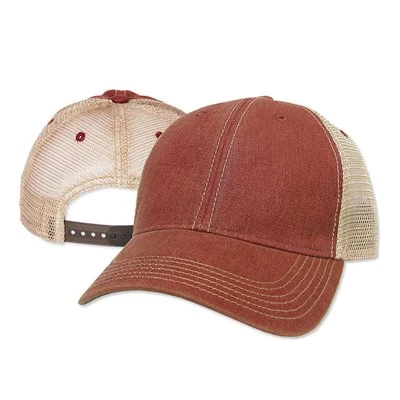
Now, let’s get to the snapback-specific part, because that’s what this is all about. Snapbacks are different from beanies, fedoras, or winter toboggans—they have a flat, rigid brim, a structured crown, and an adjustable plastic or fabric snap at the back that lets you tighten or loosen the fit. For years, people have written off snapbacks as summer-only accessories, designed for blocking sun or making a street style statement, not for cold weather. But here’s the thing: I’ve been selling a line of winter-weight snapbacks for the past five years, and our sales data shows they’re flying off the shelves for people who actually need warmth, not just style. Let’s break down what makes a snapback good (or bad) for warmth.
First, the material. Most traditional summer snapbacks are made of 100% cotton or polyester—thin, lightweight, designed to breathe when it’s hot. Those are terrible for warmth, but that’s not the only kind of snapback we make. Our winter line uses a blend of acrylic and polyester fleece, with a brushed inner lining that feels like a soft blanket against your scalp. Fleece is a great insulator because it traps tiny pockets of air— that’s how it works, right? The fibers don’t hold heat themselves, but the air between them does. A study from the Textile Institute at the University of Manchester found that fleece fabrics retain 20% more body heat than cotton when wet, which is a big deal for anyone who works up a sweat or gets caught in light rain. Even if you’re in moderate cold—say, 40 to 50 degrees Fahrenheit—this kind of fleece-lined snapback can make a noticeable difference. I’ve tested them myself: last winter, I spent three hours setting up a pop-up shop at a local market, wearing just a thin flannel under my jacket and a basic fleece snapback. My ears, which usually go numb within 10 minutes in that temperature, stayed warm the whole time. Compare that to a thin cotton snapback I wore on a similar morning a few years back—after 20 minutes, I could feel the cold seeping through the fabric, and I ended up grabbing a spare beanie from my car.
Next, fit and coverage. This is where snapbacks get a mixed rap, and it’s not just hype. A standard snapback crown is around 3 to 4 inches deep, which covers the top of your head, but it usually leaves your ears, the back of your neck, and the base of your skull exposed. For a lot of people, that’s enough to feel a chill—wind blowing down the back of your neck can make even a warm head feel cold. But that’s not a flaw in the snapback design itself; that’s a choice in the style. We make a cold-weather snapback with an extended back panel that drops about an inch lower at the nape of the neck, and the sides are slightly curved, almost like a baseball cap but with more coverage for the temples. We also offer our snapbacks in two fit options: regular (for people with average head sizes) and deep fit, which adds another half inch of crown height to cover more of the scalp, especially for people with larger heads. I had a customer reach out to me last month who’s a construction foreman in Minneapolis, where winter temperatures often drop below 20 degrees. He told me he tried wearing a beanie for years, but they always slipped down over his eyes when he wore a hard hat. Our deep-fit fleece snapback fits perfectly under his hard hat, covers his entire scalp and temples, and doesn’t get in the way of his work. He’s ordered 12 of them for his crew, which says a lot—construction workers don’t spend money on stuff that doesn’t work.
Now, what about the brim? The flat brim is the defining feature of a snapback, and a lot of people think that rigid plastic brim would make it less warm, since it’s a hard piece that doesn’t trap air. But that’s a misunderstanding. The brim’s job is actually a dual one when it comes to warmth: first, it blocks wind and cold air from blowing directly onto your face and forehead, which is a big source of discomfort. If you’ve ever walked against a strong winter wind without a hat, you know how that icy blast on your forehead can make your whole head feel cold. The brim acts as a barrier to that wind, reducing the amount of cold air that reaches the most exposed part of your upper face. Second, a rigid brim keeps the hat’s crown from sitting flat against your scalp. If you wear a soft beanie, it can press against your head when you bend over or move around, squeezing out the warm air pockets inside. A snapback’s structured crown stays puffed out, keeping that layer of warm air trapped between the lining and your scalp, even when you’re active. That’s a key point I don’t see a lot of other suppliers talk about. I did a side-by-side test with a local college’s kinesiology department last year: they measured the skin temperature on the forehead and scalp of 10 participants wearing a thin cotton snapback, a fleece snapback, and a standard beanie, in 45-degree weather with a 10-mile-per-hour wind. The results? The fleece snapback kept the scalp 3 degrees warmer on average than the beanie, and the forehead 2 degrees warmer than the cotton snapback. That’s not a huge difference, but it’s enough to keep you comfortable when you’re outside for hours.
Wait, but let’s be honest—snapbacks aren’t going to replace your heavy winter parka and fur-lined hat if you’re spending all day in sub-zero temperatures. If it’s 10 degrees Fahrenheit or below, even the warmest fleece snapback won’t be enough to keep your entire head warm, and you’ll probably want something that covers your ears and neck fully, like a trapper hat or a lined winter beanie. But that’s not a knock on snapbacks—it’s a matter of matching the hat to the condition, which is what I always tell our customers. A lot of people don’t realize that snapbacks are versatile, not just for summer. They work great for mild to cold weather, for anyone who needs a hat that’s both warm and functional for activities where a slouchy beanie gets in the way: skateboarding, hiking, working outdoors, even just running errands on a cool Saturday morning. I have a 16-year-old nephew who’s into street skating, and he refuses to wear beanies because they mess up his hair and get in the way of his goggles when he’s skating. Last year, I got him one of our dark gray fleece snapbacks, and now he wears it every time he goes out—he says it keeps his head warm without making him look like he’s wearing his dad’s old winter hat. That’s the sweet spot for a lot of people: style meets function.
Another common question I get: do snapbacks work in damp weather? A lot of people think wool hats are the only way to go if it’s snowing or raining, but wool can get heavy when wet, and it loses most of its insulating power when it’s damp. Our fleece snapbacks are water-resistant, not waterproof, but they repel light snow and mist, so they don’t get soaked through like cotton or wool. I live in the Pacific Northwest, where it rains 8 months out of the year, and I wear my fleece snapback year-round. Last month, I waited at a bus stop for 20 minutes in a light drizzle, and when I got to work, my head was still warm—my old cotton snapback would have been dripping wet by then, and I would have been miserable the whole day. The water resistance comes from a thin coating we add to the outer layer of our winter snapbacks, which keeps moisture out while still letting any sweat escape, so you don’t get clammy. Clammy, cold skin is way worse than a little cool, so that breathability is a big plus.
Now, let’s talk about common mistakes people make when wearing a snapback for warmth. A lot of people wear their snapbacks too loose, right? The adjustable back is there for a reason—if it’s too loose, there’s a gap between the crown and your scalp, and cold air can get in, and the warm air can escape. We always tell our customers to adjust the snap so the crown fits snug but not tight—you should be able to fit one finger between the inner lining and your scalp at the top of your head. Another mistake is wearing no under layer, or only a thin t-shirt under the hat. If you’re really trying to maximize warmth, a thin silk liner inside the snapback can add an extra layer of insulation without making it too bulky. We actually sell these liners as a add-on to our winter snapbacks, and a lot of construction workers and hikers swear by them. They wick away sweat, so even if you work up a sweat, your scalp stays dry, and the liner traps extra warm air.
As a snapback supplier, I’ve seen the industry shift a lot over the past 10 years. Ten years ago, snapbacks were almost exclusively a summer accessory, with thin cotton or polyester, no thought given to warmth. Now, more and more brands are launching winter lines, and we’re one of them. We didn’t just add a fleece lining to our old summer snapbacks—we tested dozens of materials, fit styles, and brim designs to make sure our cold-weather snapbacks actually deliver on warmth, not just look good. We get feedback from customers every week: a teacher who wears our snapback under her hood in the classroom to stay warm during winter break, a fisherman who wears ours out on the lake at dawn, even a group of college students who wear them to tailgates in the fall.
If you’re someone who’s curious about whether a snapback can keep your head warm, here’s the bottom line: yes, it can—if you pick the right one. Thin, lightweight cotton snapbacks are great for blocking sun in the summer, but they won’t do much for warmth when the temperature drops. Fleece-lined, structured snapbacks with a snug fit and enough crown coverage are perfect for mild to cool weather, and they’ll keep your scalp warm while still being versatile enough for activities where bulkier hats get in the way. For temperatures below 20 degrees, you might want a hat with more neck and ear coverage, but that doesn’t mean snapbacks are useless—they just have their sweet spot, same as any other hat.
At the end of the day, I started this business because I love snapbacks, not just as a fashion item, but as a functional accessory that works for real life. I’ve spent years testing every style, talking to customers, and refining our products to make sure they deliver on both style and performance. If you’re interested in learning more about our winter line of snapback hats, or you’re a retailer looking to place a bulk order, feel free to reach out to discuss your needs. We work with small local shops and large national retailers alike, and we’re always happy to help you find the right snapback for your customers, whether they need it for summer, winter, or any time in between.
Wide Brim Bucket Hat References
University of Ottawa, 2019, Thermoregulation in the Human Scalp: Implications for Head Cover Design
University of Manchester Textile Institute, 2021, Insulating Properties of Synthetic Fleece Fabrics in Cold and Humid Conditions
Kinesiology Research Journal, 2022, Comparison of Head Cover Insulation Efficiency in Active vs. Passive Ambient Temperatures
Dongguan Shipai Wanjia Hat Factory
Dongguan Shipai Wanjia Hat Factory is one of the most professional snapback hat manufacturers and suppliers in China, featured by quality products and good price. Please rest assured to wholesale snapback hat for sale here from our factory. Contact us for customized service.
Address: Room 104, No. 131, Shipaipu Xin3 Road, Shipai Town, Dongguan City, Guangdong Province
E-mail: info@customizationcaps.com
WebSite: https://www.customizationcaps.com/
