As a seasoned supplier in the snack packaging bags industry, I’m excited to share with you the science behind how our products effectively protect snacks from light. The impact of light on snacks is a topic that often goes unnoticed, yet it plays a crucial role in maintaining the quality and shelf – life of these delicious treats. Snack Packaging Bags

The Detrimental Effects of Light on Snacks
Light, especially ultraviolet (UV) light and visible light, can cause a series of chemical and physical changes in snacks. UV light is particularly harmful as it has high – energy photons that can break chemical bonds in food molecules. For snacks high in fats and oils, such as chips and nuts, exposure to light can trigger a process called lipid oxidation. When fats and oils in these snacks are oxidized, they produce off – flavors and unpleasant odors, a phenomenon known as rancidity. This not only makes the snacks taste bad but also reduces their nutritional value as the essential fatty acids are degraded.
In addition to lipid oxidation, light can also affect the color of snacks. Natural pigments in snacks, such as carotenoids in carrot chips or anthocyanins in berry – flavored snacks, can be bleached by light. This fading of color makes the snacks less visually appealing to consumers, who often associate vibrant colors with freshness and high – quality food.
Mechanisms of Light Protection in Snack Packaging Bags
Material Selection
One of the key ways our snack packaging bags protect snacks from light is through careful material selection. We use a variety of polymers and films that have inherent light – blocking properties. For example, opaque polyethylene (PE) films are commonly used in our packaging solutions. PE is a versatile polymer that can be pigmented to make it opaque, thus preventing light from penetrating the bag. Carbon black is often added to PE films as a light – absorbing pigment. It can effectively block a wide range of light wavelengths, including UV and visible light, providing a high level of protection for the snacks inside.
Another popular material is aluminum foil. Aluminum is an excellent light barrier. It reflects almost all the light that hits its surface, preventing it from reaching the snacks. We often use laminated structures that combine aluminum foil with other polymers to create a multi – layer packaging bag. This not only enhances the light – protection ability but also provides other advantages such as moisture and oxygen barrier properties. For instance, a common laminate structure might consist of an outer layer of polyester for strength and printability, a middle layer of aluminum foil for light and gas barrier, and an inner layer of PE for heat – sealing and food contact safety.
Coating Technologies
In addition to using light – blocking materials, we also employ advanced coating technologies to enhance the light – protection capabilities of our snack packaging bags. One such technology is the application of UV – absorbing coatings. These coatings contain special chemicals that can absorb UV light and convert it into heat energy, effectively preventing the UV light from reaching the snacks.
Metallized coatings are another effective way to protect snacks from light. Metallized films are created by depositing a thin layer of metal, usually aluminum, onto a polymer film. This thin metal layer acts as a reflective surface, just like aluminum foil, and can significantly reduce the amount of light that penetrates the packaging. Metallized coatings are often used as an alternative to full – aluminum foil laminates, as they can provide similar light – blocking performance at a lower cost.
The Role of Packaging Design in Light Protection
Shape and Size
The shape and size of the snack packaging bag also play a role in light protection. We design our bags to minimize the surface area exposed to light while still providing enough space for the snacks. For example, using a compact, rectangular shape can reduce the amount of light – exposed area compared to a more irregular or elongated shape. Additionally, we ensure that the bag is filled optimally so that there is not too much empty space inside, which could allow light to scatter and reach the snacks from multiple angles.
Sealing and Closure
A proper seal is essential for light protection. Any gaps or weak spots in the seal can allow light to enter the bag. We use high – quality heat – sealing equipment to ensure a tight and consistent seal around the edges of the packaging bag. For resealable packaging, such as zip – lock bags, we develop robust closure mechanisms that can maintain a good light – blocking barrier even after multiple openings and closures. This allows consumers to keep the snacks fresh and protected from light for an extended period.
Quality Control and Testing
To ensure that our snack packaging bags effectively protect snacks from light, we have a rigorous quality control and testing process in place. We use advanced testing equipment, such as spectrophotometers, to measure the light transmission rate of our packaging materials. This allows us to accurately determine how much light, especially in the UV and visible light ranges, can pass through the bag.
We also conduct accelerated aging tests on snacks packaged in our bags under different light conditions. By exposing the packaged snacks to high – intensity light for a shorter period, we can simulate the long – term effects of light exposure during normal storage. After the accelerated aging tests, we evaluate the quality of the snacks in terms of flavor, color, and nutritional value. This helps us to continuously improve our packaging materials and designs to provide the best possible light protection for snacks.
Conclusion
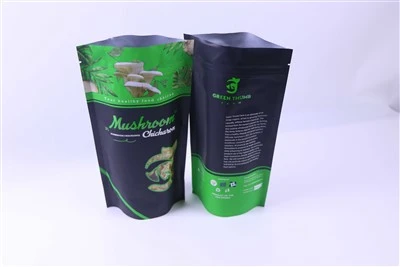
In conclusion, as a snack packaging bags supplier, we understand the importance of protecting snacks from light. Through careful material selection, advanced coating technologies, well – thought – out packaging design, and strict quality control, our packaging bags can effectively shield snacks from the harmful effects of light, including lipid oxidation and color fading. This not only helps to maintain the quality and taste of the snacks but also extends their shelf – life, providing a better experience for both snack manufacturers and consumers.
Anti Static Shielding Bags If you are a snack manufacturer looking for high – quality packaging solutions that can protect your products from light, we would love to have a conversation with you. Our team of experts is ready to work with you to develop customized packaging bags that meet your specific requirements. Whether you are looking for innovative designs, cost – effective solutions, or the highest level of light protection, we have the knowledge and experience to deliver. Contact us to start the procurement discussion and take your snack packaging to the next level.
References
- Brady, U. L., & Posthuma – Trumpie, G. A. (2018). Light barrier properties of packaging materials: An overview of measurement methods and standardization. Trends in Food Science & Technology, 71, 38 – 49.
- Robertson, G. L. (2012). Food packaging: Principles and practice. CRC press.
- Rooney, M. L. (1995). Active and intelligent packaging in the food industry. Blackie Academic & Professional.
Shenzhen Xinhuaye Packaging Products Co., Ltd.
Shenzhen Xinhuaye Packaging Products Co., Ltd. is one of the most reliable snack packaging bags manufacturers and suppliers in China, featured by quality products and good price. If you’re going to wholesale bulk durable snack packaging bags, welcome to get quotation from our factory. Customized orders are welcome.
Address: No. 168, Changshan Industrial Zone, Liulian Community, Pingdi Street, Longgang District, Shenzhen, China
E-mail: cici@xinhuayepacking.com
WebSite: https://www.xinhuayepacking.com/
