In the world of robotics, battery performance is crucial. As a supplier of robot batteries, I often encounter questions from customers about using batteries with different chemistries in emergencies. This blog post aims to explore this topic in detail and provide some insights based on my experience and knowledge in the field. Robot Battery
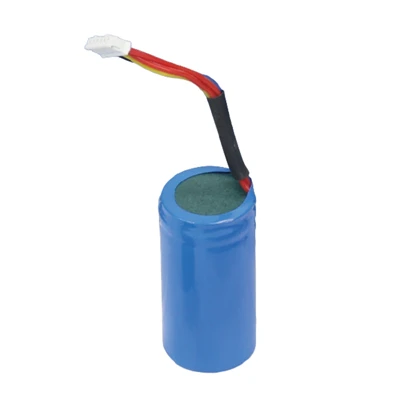
Understanding Battery Chemistries
Before delving into the question of using different battery chemistries in emergencies, it’s essential to understand the common types of battery chemistries used in robot batteries. The most prevalent chemistries include lithium – ion (Li – ion), nickel – metal hydride (NiMH), and lead – acid.
- Lithium – ion Batteries: These are the most popular choice for modern robots due to their high energy density, low self – discharge rate, and long cycle life. They are lightweight, which is a significant advantage for mobile robots. Li – ion batteries can provide a stable voltage output throughout most of their discharge cycle, ensuring consistent performance for the robot.
- Nickel – Metal Hydride Batteries: NiMH batteries have a relatively high energy density compared to older battery chemistries. They are less prone to the "memory effect" compared to nickel – cadmium (NiCd) batteries. However, they have a higher self – discharge rate than Li – ion batteries, which means they can lose their charge more quickly when not in use.
- Lead – Acid Batteries: Lead – acid batteries are known for their low cost and high surge current capabilities. They are commonly used in applications where high power is required for short periods, such as starting motors. However, they are heavy and have a relatively low energy density compared to Li – ion and NiMH batteries.
Can I Use a Battery with a Different Chemistry in an Emergency?
The short answer is: it depends. There are several factors to consider when contemplating using a battery with a different chemistry in an emergency situation.
Voltage Compatibility
One of the most critical factors is voltage. Robots are designed to operate within a specific voltage range. If the voltage of the replacement battery is too high or too low, it can cause serious problems. For example, a higher voltage battery can over – stress the robot’s electrical components, leading to overheating, component failure, or even a fire hazard. On the other hand, a lower voltage battery may not provide enough power for the robot to function properly, resulting in reduced performance or complete failure.
Let’s say a robot is designed to run on a 14.8V Li – ion battery pack. If you try to use a 12V lead – acid battery in an emergency, the robot may not receive enough power to operate its motors, sensors, or other critical components. Conversely, if you use a 19.2V Li – ion battery instead, it could damage the robot’s internal electronics.
Capacity and Discharge Rate
The capacity of a battery, measured in ampere – hours (Ah), determines how long it can supply power to the robot. A battery with a lower capacity may not provide enough runtime for the robot to complete its task. Additionally, the discharge rate, which indicates how fast the battery can deliver power, is also important. Some robots require a high – discharge – rate battery to meet their power demands, especially during peak usage periods.
For example, a high – performance industrial robot that requires a large amount of power to move heavy loads quickly may need a Li – ion battery with a high discharge rate. Using a NiMH battery with a lower discharge rate in this situation may result in the robot not being able to operate at its full capacity.
Chemical Compatibility and Safety
Different battery chemistries have different charging and discharging characteristics, as well as safety requirements. For instance, Li – ion batteries require a specialized charger to prevent overcharging and over – discharging, which can lead to thermal runaway and potentially cause a fire. A lead – acid battery charger, on the other hand, is designed differently and may not be suitable for charging a Li – ion battery.
Using a battery with a different chemistry in a robot that is not designed for it can also pose safety risks. For example, if a Li – ion battery is exposed to conditions that are suitable for a NiMH battery but not for a Li – ion battery, it may malfunction and release harmful chemicals or gases.
Potential Consequences of Using a Different Battery Chemistry
- Damage to the Robot: As mentioned earlier, using a battery with an incompatible voltage or capacity can damage the robot’s electrical and mechanical components. This can lead to costly repairs or even the need to replace the entire robot.
- Reduced Performance: A battery with a different chemistry may not be able to provide the same level of performance as the original battery. This can result in slower operation, reduced accuracy, or limited functionality of the robot.
- Safety Hazards: In some cases, using an incompatible battery can pose a safety risk to the operators and the surrounding environment. This includes the risk of fire, explosion, or the release of toxic chemicals.
When It Might Be Acceptable
There are some rare situations where using a battery with a different chemistry in an emergency might be acceptable, but it should only be done with extreme caution.
- Temporary Power Supply: If the primary goal is to get the robot up and running for a very short period, and the voltage and basic electrical requirements are met, a battery with a different chemistry can be used as a temporary power source. For example, if a robot is in the middle of an important task and its Li – ion battery fails, and a NiMH battery with a similar voltage is available, it can be used to complete the task quickly.
- Low – Power Applications: In some low – power robot applications, such as small educational or hobbyist robots, the requirements for battery performance are not as strict. In these cases, using a battery with a different chemistry may be more forgiving, as long as the voltage is within an acceptable range.
Best Practices
If you find yourself in a situation where you need to use a battery with a different chemistry in an emergency, here are some best practices to follow:
- Check the Voltage: Make sure the voltage of the replacement battery is within the acceptable range for the robot.
- Monitor the Robot: Keep a close eye on the robot’s performance and temperature during operation. If you notice any abnormal behavior, such as overheating or reduced performance, stop using the battery immediately.
- Use with Caution: Remember that using a battery with a different chemistry is a temporary solution. Once the emergency is over, replace the battery with the appropriate one as soon as possible.
Conclusion

In conclusion, while it is possible to use a battery with a different chemistry in an emergency, it is not without risks. As a robot battery supplier, I always recommend using the battery that is specifically designed for your robot to ensure optimal performance and safety.
Two Wheeler Battery If you are facing a battery – related issue or are in the market for high – quality robot batteries, I encourage you to reach out to me. I can provide you with detailed information about our battery products, help you select the right battery for your robot, and offer valuable advice on battery maintenance and usage.
References
- Linden, D., & Reddy, T. B. (2002). Handbook of Batteries. McGraw – Hill.
- Gregory, M. J. (2003). Battery Technology Handbook. McGraw – Hill.
Zhuhai Greaton Electronic Technology Co., Ltd.
As one of the most professional robot battery manufacturers and suppliers in China, we have world-leading production equipment and strong manufacturing capabilities. Please rest assured to wholesale advanced robot battery in stock here from our factory. Customized orders are welcome.
Address: 2nd Floor, Building A3, No. 6, Liulu, Xinqing Science and Technology Industrial Park, Jing’an Town, Doumen District, Zhuhai City
E-mail: wangchen1@psbattery.cn
WebSite: https://www.cngreaton.com/
