Hey there, folks! I’m a guy running a car seatbelt supply business, and I’ve been in this industry for quite some time. One question that often pops up in discussions is how car seatbelts work to protect us in an ejection – type accident. It’s a super important topic, and I’m stoked to share what I’ve learned. Car Seatbelt
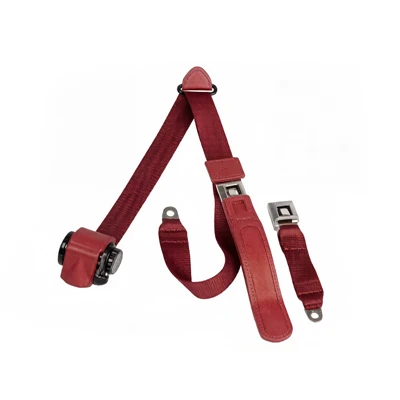
First off, let’s talk about what an ejection – type accident is. Picture this: you’re cruising down the road, and suddenly, there’s a major collision or a roll – over. Without a seatbelt, you’re at risk of being thrown out of the vehicle. Ejections are extremely dangerous. In fact, according to a bunch of studies, the chance of serious injury or death is way higher when a person is ejected from a car compared to those who stay inside.
So, how exactly does a seatbelt prevent this? Well, the basic principle is pretty simple. A seatbelt is basically a restraint system. It keeps you firmly in your seat. When the car stops suddenly or starts to tumble, your body wants to keep moving forward because of inertia. That’s Newton’s first law of motion in action. You know, an object in motion stays in motion unless acted upon by an external force. In an accident, that external force is the seatbelt.
The lap belt part of the seatbelt plays a crucial role. It goes across your hips, and the thing is, your hip bones are strong. When the car has a sudden jolt, the lap belt transfers the force of deceleration to your hip bones. These bones can handle a lot more force than other parts of your body. So, instead of your body being thrown forward, the lap belt holds it back, using the strength of your hips to keep you in place.
The shoulder belt is just as important. It goes across your chest and shoulder area. When there’s a front – end collision or a roll – over, your upper body might be flung forward. The shoulder belt stops this by distributing the force of the impact across your chest and shoulders. This way, it doesn’t put all the stress on one small area. If you didn’t have a shoulder belt, your head and upper body could hit the windshield, the dashboard, or fly out of the window.
Now, let’s dig a bit deeper into the technology behind modern seatbelts. We’re not just talking about simple straps here. A lot of research and engineering has gone into making seatbelts more effective.
One neat feature is the pretensioner. When a collision is detected (modern cars have sensors that can sense rapid deceleration), the pretensioner activates. It’s like a little mechanical device that pulls the seatbelt tight around you. This gets rid of any slack in the belt, so you’re held in place right from the start of the accident. It’s like a quick hug that keeps you from lurching forward.
Another important part is the load limiter. Once the pretensioner has done its job and the seatbelt is tight, the load limiter kicks in. Here’s the deal: during a collision, the force on the seatbelt can be really high. The load limiter allows the seatbelt to unwind a bit in a controlled way. This helps to reduce the amount of force that’s applied to your body. It’s kind of like a shock absorber for the seatbelt. Instead of your body taking the full brunt of the impact all at once, the load limiter spreads out the force over a bit of time.
I’ve seen some pretty crazy accident reports over the years. There was this one case where a driver was involved in a high – speed roll – over. The car flipped several times, but because the driver was wearing a seatbelt, they stayed inside the vehicle. The seatbelt did its job, distributing the forces of the impact and preventing the driver from being ejected. When the rescue team arrived, the driver had some bruises, but they were alive and able to walk away. Compare that to some other cases where people weren’t wearing seatbelts and were thrown out of the car. Those folks usually had much more serious injuries or, unfortunately, didn’t make it.
In addition to these basic functions, seatbelts also work well with other safety features in the car. They are a key part of the overall safety system. For example, when you’re wearing a seatbelt, the airbags are more effective. Airbags are designed to work in conjunction with seatbelts. If you’re not wearing a seatbelt, an airbag might actually cause more harm than good. A seatbelt keeps you in the right position so that when the airbag deploys, it can protect you properly.
Okay, so that’s a lot about how seatbelts protect us in ejection – type accidents. Now, let me tell you a bit about our seatbelt products. We’ve got a wide range of seatbelts that are made with the latest technology and high – quality materials. Our seatbelts have strong pretensioners and reliable load limiters. We test them rigorously to make sure they meet and exceed safety standards.
Whether you’re a car manufacturer looking for seatbelts for your new models or a repair shop in need of replacement seatbelts, we’ve got you covered. Our seatbelts come in different styles and colors to fit your needs. We can also customize seatbelts if you have specific requirements.
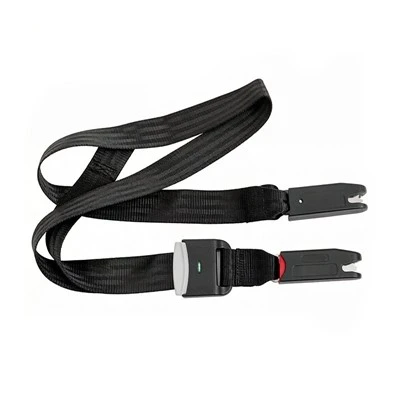
If you’re interested in our car seatbelt products, don’t hesitate to reach out and start a procurement discussion. We’re always happy to talk about how our seatbelts can enhance the safety of your vehicles. Just give us a shout, and we’ll get the ball rolling.
GM Seatbelts References:
- National Highway Traffic Safety Administration (NHTSA) reports on seatbelt usage and accident statistics.
- Journal articles on automotive safety and seatbelt technology published in scientific magazines.
Yangzhong Weian Mechanical and Electrical Co., Ltd.
As one of the most professional car seatbelt manufacturers and suppliers in China, we’re featured by quality products and good service. Please rest assured to wholesale car seatbelt in stock here and get quotation from our factory. Customized orders are welcome.
Address: Group 10, Xinhua Village, Xilaiqiao Town, Yangzhong City; West of The Bus Terminal On Yuanqu Avenue.
E-mail: hfsaml_2008@qq.com
WebSite: https://www.weianseatbelt.com/
