Selecting the appropriate number of pins for a pin header female header connector is a crucial decision that can significantly impact the performance, compatibility, and functionality of your electronic devices. As a supplier of high-quality pin header female header connectors, I understand the importance of making informed choices. In this blog post, I will share some valuable insights and considerations to help you choose the right number of pins for your specific needs. Pin HeaderFemale Header Connector
Understanding Pin Header Female Header Connectors
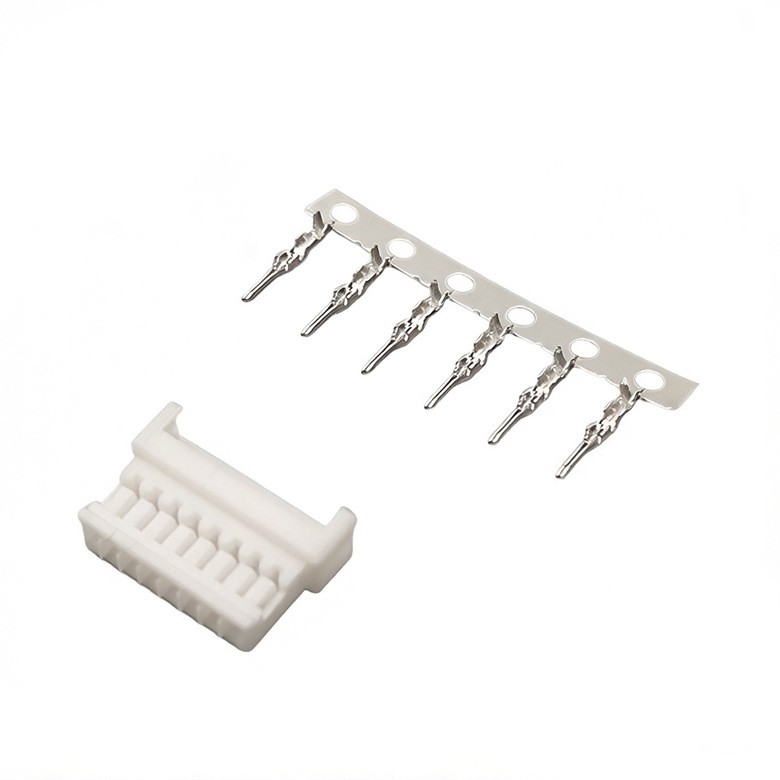
Before delving into the process of choosing the number of pins, it’s essential to have a clear understanding of what pin header female header connectors are and how they work. These connectors are two-piece electrical connectors commonly used in electronic devices to establish a reliable connection between printed circuit boards (PCBs) or other electronic components. The male pin header consists of a row of pins that are inserted into the corresponding holes in the female header, creating an electrical connection.
Pin header female header connectors come in various configurations, including different numbers of pins, pin spacing, and form factors. The number of pins refers to the quantity of individual contact points on the connector, which determines the number of electrical signals or power connections that can be made.
Factors to Consider When Choosing the Number of Pins
1. Application Requirements
The first and most important factor to consider when choosing the number of pins is the specific requirements of your application. Different electronic devices and systems have varying needs for electrical connections. For example, a simple LED circuit may only require a few pins to provide power and control signals, while a complex motherboard or a data acquisition system may need a large number of pins to handle multiple data channels, power supplies, and control signals.
Consider the functions and features of your electronic device and determine the number of electrical connections needed to achieve those functions. Make a list of all the components that need to be connected and the signals or power they require. This will give you a clear idea of the minimum number of pins required for your application.
2. Future Expansion
It’s also important to consider future expansion when choosing the number of pins. If you anticipate that your electronic device may need to be upgraded or modified in the future to add new features or functionality, it’s a good idea to choose a connector with more pins than you currently need. This will allow you to easily add additional components or connections without having to replace the connector.
However, keep in mind that choosing a connector with too many pins can also have drawbacks. It may increase the cost of the connector, as well as the complexity of the PCB layout and assembly process. Therefore, it’s important to find a balance between current needs and future expansion possibilities.
3. PCB Space Constraints
The available space on the printed circuit board (PCB) is another important factor to consider when choosing the number of pins. The size of the connector and the number of pins it has will determine the amount of space it occupies on the PCB. If you have limited space on your PCB, you may need to choose a connector with a smaller form factor or a fewer number of pins.
On the other hand, if you have plenty of space on your PCB, you may have more flexibility in choosing a connector with a larger number of pins. However, it’s still important to ensure that the connector fits within the overall layout of the PCB and does not interfere with other components.
4. Signal Integrity
The number of pins can also have an impact on signal integrity. As the number of pins increases, the distance between adjacent pins decreases, which can lead to increased crosstalk and electromagnetic interference (EMI). This can degrade the quality of the electrical signals and affect the performance of the electronic device.
To minimize the effects of crosstalk and EMI, it’s important to choose a connector with appropriate pin spacing and shielding. Additionally, you may need to use proper PCB layout techniques, such as signal routing and grounding, to ensure good signal integrity.
5. Cost
Cost is always a consideration when choosing any electronic component, including pin header female header connectors. The cost of the connector will depend on several factors, including the number of pins, the material, the quality, and the brand. Generally, connectors with a larger number of pins will be more expensive than those with a fewer number of pins.
However, it’s important to remember that the cost of the connector is just one aspect of the overall cost of your electronic device. Choosing a high-quality connector that meets your requirements can help to ensure the reliability and performance of your device, which can ultimately save you money in the long run.
Common Pin Configurations
Pin header female header connectors are available in a wide range of pin configurations, from a single pin to several hundred pins. Here are some of the most common pin configurations and their typical applications:
2-Pin Connectors
2-pin connectors are the simplest type of pin header female header connectors. They are commonly used for applications that require a single electrical connection, such as power supply connections or simple control signals.
3-Pin Connectors
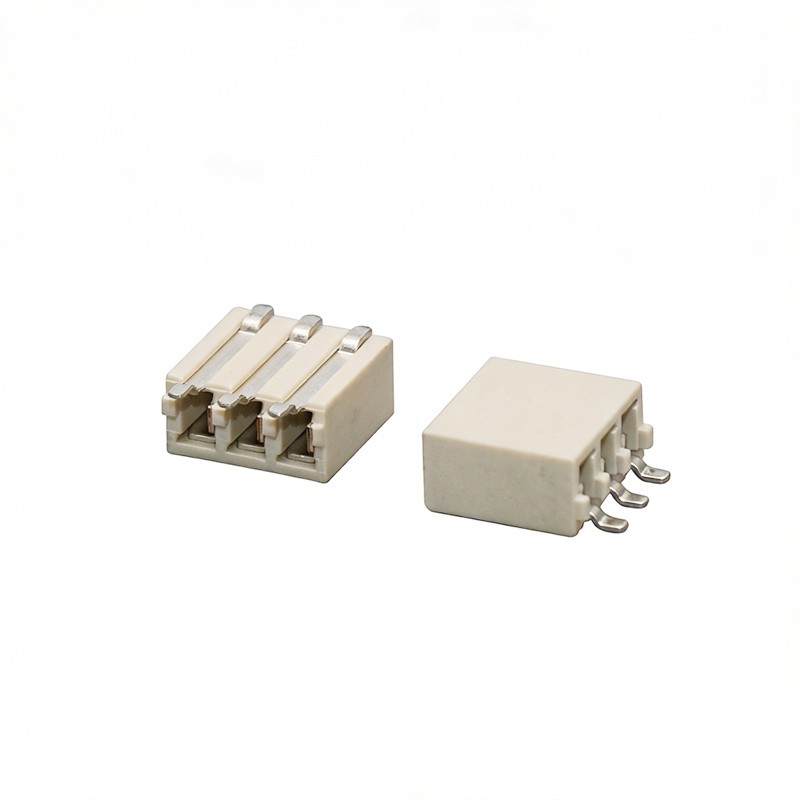
3-pin connectors are also relatively common and are often used for applications that require a power supply connection and a ground connection, as well as an additional signal or control connection. They are commonly used in LED lighting systems, sensors, and small motors.
4-Pin Connectors
4-pin connectors are often used for applications that require two power supply connections and two signal or control connections. They are commonly used in computer motherboards, hard drives, and other electronic devices.
6-Pin Connectors
6-pin connectors are commonly used for applications that require multiple power supply connections and multiple signal or control connections. They are often used in graphics cards, power supplies, and other high-performance electronic devices.
8-Pin Connectors
8-pin connectors are similar to 6-pin connectors but have two additional pins. They are commonly used in high-end graphics cards, power supplies, and other high-performance electronic devices that require more power and more signal connections.
10-Pin Connectors and Above
Connectors with 10 or more pins are typically used for more complex applications that require multiple power supply connections, multiple signal connections, and/or multiple control connections. They are commonly used in computer motherboards, data acquisition systems, and other high-performance electronic devices.
Making the Right Choice
Choosing the right number of pins for a pin header female header connector requires careful consideration of your application requirements, future expansion possibilities, PCB space constraints, signal integrity, and cost. By taking the time to evaluate these factors and choosing a connector that meets your specific needs, you can ensure the reliability and performance of your electronic device.
If you’re still unsure which number of pins is right for your application, don’t hesitate to contact us. As a leading supplier of pin header female header connectors, we have the expertise and experience to help you choose the right connector for your needs. We offer a wide range of high-quality connectors in various pin configurations, materials, and form factors, and we can provide you with customized solutions to meet your specific requirements.
Wire-to-Wire Connector Whether you’re designing a new electronic device or upgrading an existing one, we’re here to help you make the right choice. Contact us today to learn more about our products and services and to discuss your connector needs with our team of experts.
References
- Grob, Bernard. "Grob’s Basic Electronics." McGraw-Hill Education, 2017.
- Malvino, Albert P., and David J. Bates. "Electronic Principles." McGraw-Hill Education, 2015.
- Tietze, Ulrich, and Christoph Schenk. "Electronic Circuits: Handbook for Design and Application." Springer Science & Business Media, 2011.
Wenzhou JKUN Connector Co., Ltd.
As one of the most professional pin headerfemale header connector manufacturers and suppliers in China, we’re featured by quality products and low price. Please rest assured to wholesale bulk customized pin headerfemale header connector from our factory. For quotation and free sample, contact us now.
Address: No.2667, Ningkang East Road, Yueqing City, Zhejiang Province, China
E-mail: sales@cnjkun.com
WebSite: https://www.jkunjcj.com/
