Hey there! As an abrasive pads supplier, I often get asked a whole bunch of questions about what our products can and can’t do. One question that pops up quite a bit is, "Can abrasive pads be used for sanding ceramic tiles?" Well, let’s dive right into this topic and see what the deal is. Abrasive Pads
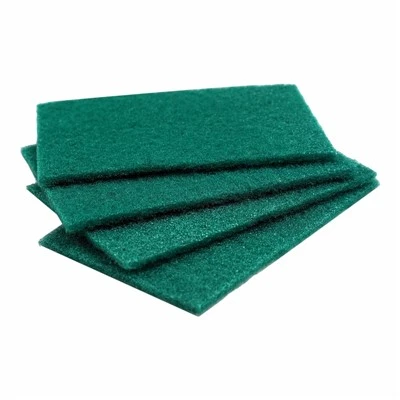
First off, let’s talk a bit about ceramic tiles. They’re popular in homes and commercial spaces alike. You can find them in kitchens, bathrooms, and even in some offices. They’re tough, look good, and are relatively easy to clean. But over time, they can get scratched, dull, or you might just want to give them a new look by sanding them down.
So, can abrasive pads actually be used for this job? The short answer is yes, but it’s a bit more complicated than just slapping an abrasive pad on the tile and going at it.
There are different types of abrasive pads out there, and choosing the right one is super important. We’ve got abrasive pads with different grits. Think of grit like the coarseness of the pad. Lower grit numbers mean a coarser pad, which is great for removing a lot of material quickly. Higher grit numbers mean a finer pad, which is better for smoothing things out and getting a nice, polished finish.
If you’re dealing with a ceramic tile that has a lot of build – up, like a really old stain or some rough edges, a lower grit abrasive pad, say around 80 – 120 grit, might be your best bet. These pads can really dig in and start removing the unwanted stuff on the tile surface. But be careful! Using a pad that’s too coarse can also cause deeper scratches on the tile if you’re not gentle.
Once you’ve used a lower grit pad to do the heavy – lifting, you’ll want to move on to a higher grit pad. Something in the 220 – 400 grit range. This will start to smooth out the surface that you’ve just roughed up with the coarser pad. And if you really want that shiny, showroom – like finish, you can go even higher, up to 800 or 1000 grit.
But it’s not just about the grit. The backing of the abrasive pad also matters. You’ve got to choose a pad with a backing that’s strong enough to withstand the pressure you’ll be applying. Some of our pads have a cloth backing, which is flexible and great for getting into those hard – to – reach corners. Others have a paper backing, which is a bit more rigid and can be better for flat, large surfaces.
Now, let’s talk about the actual process of sanding ceramic tiles with abrasive pads. First, you’ll want to make sure the tile is clean. Remove any dirt or debris from the surface. This will prevent you from scratching the tile with the dirt particles while you’re sanding. You can use a simple tile cleaner and a cloth to do this.
Next, you’ll need to soak the abrasive pad in water for a few minutes. This helps to keep the pad cool while you’re sanding and also prolongs its life. It also reduces the amount of dust that gets kicked up, which is a plus since breathing in tile dust isn’t great for you.
When you start sanding, apply gentle pressure. You don’t want to go all out and press too hard, or you might damage the tile. Move the pad in a circular or back – and – forth motion, depending on the shape of the tile and your personal preference. Keep checking the tile’s surface as you go to see how the sanding is progressing.
One thing to note is that sanding ceramic tiles can be a bit time – consuming, especially if you’re doing a large area. But if you take your time and do it right, you’ll end up with tiles that look a whole lot better.
There are also some advantages to using abrasive pads for sanding ceramic tiles. For one, they’re relatively inexpensive compared to some other sanding tools. You can buy a pack of our abrasive pads at a reasonable price, and they’ll last you a while if you take care of them. They’re also easy to use. You don’t need a lot of special skills or equipment to start sanding with an abrasive pad. Just grab the right pad, soak it, and start sanding.
However, there are some downsides too. As I mentioned earlier, if you use the wrong grit or apply too much pressure, you can damage the tile. And sanding can create a fair amount of dust, so you’ll want to wear a dust mask and maybe even use a wet – dry vacuum to suck up the dust as you go.
Another thing to consider is that not all ceramic tiles are the same. Some tiles are harder than others, and some have a special coating. If you’re not sure about the type of tile you’re dealing with, it’s a good idea to test the abrasive pad on a small, inconspicuous area first. This way, you can see how the tile reacts to the sanding before you go all in.
In conclusion, abrasive pads can definitely be used for sanding ceramic tiles, as long as you choose the right pad, follow the proper steps, and take the necessary precautions. Whether you’re looking to remove scratches, stains, or just give your tiles a new look, our abrasive pads can get the job done.
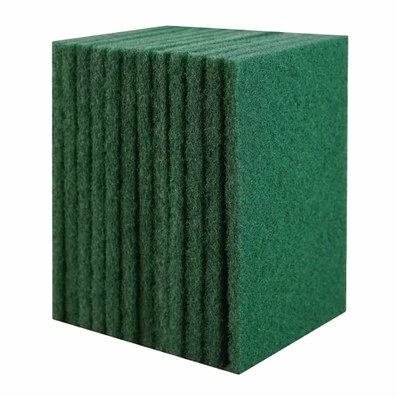
If you’re interested in purchasing our high – quality abrasive pads for your ceramic tile sanding projects, don’t hesitate to reach out. We’re always happy to answer any questions you might have and help you find the perfect pad for your needs. Just drop us a line and let’s start a conversation about how we can assist you in getting the best results for your tile sanding jobs.
Scrub Sponges References
"Ceramic Tile: Properties, Types, and Applications" – A general ceramics industry publication
"Abrasive Materials and Their Uses" – A technical guide on abrasive products
Guangzhou YION New Material Technology Co., Ltd.
As one of the most professional abrasive pads manufacturers and suppliers in China, we offer a wide range of products with superior quality. Please feel free to buy customized abrasive pads made in China here from our factory. Also, quotation is available.
Address: Room 110, Building 2, No. 2 Jinhuan Street, Nansha District, Guangzhou City, Guangdong Province, China.
E-mail: info@yiontech.cn
WebSite: https://www.yionpads.com/
