When it comes to temperature measurement in various industrial and commercial applications, a bimetallic thermometer is a popular choice due to its reliability, ease of use, and cost – effectiveness. As a supplier of bimetallic thermometers, I understand the importance of helping customers choose the right product for their specific needs. In this blog, I’ll share some key factors to consider when selecting a bimetallic thermometer. A Bimetallic Thermometer

1. Temperature Range
The first and perhaps most crucial factor is the temperature range that the thermometer needs to measure. Different applications require different temperature ranges. For example, in food storage, the temperature range might be between – 20°C to 50°C to ensure the safety and quality of perishable goods. In industrial processes such as metal heat treatment, the temperature can reach several hundred degrees Celsius.
It’s essential to choose a bimetallic thermometer with a temperature range that comfortably covers the expected operating temperatures. If the range is too narrow, the thermometer may not accurately measure extreme temperatures, and if it’s too wide, the precision may be compromised. Most bimetallic thermometers are designed for a specific temperature range, and you should always check the product specifications to ensure it meets your requirements.
2. Accuracy
Accuracy is another vital consideration. The accuracy of a bimetallic thermometer is typically expressed as a percentage of the full – scale reading. For general applications, an accuracy of ±1% to ±2% is often sufficient. However, in more critical applications such as medical or scientific research, a higher level of accuracy may be required, perhaps ±0.5% or even better.
When choosing a bimetallic thermometer, look for products that have been calibrated and tested to ensure accurate readings. Reputable manufacturers will provide calibration certificates or test reports to guarantee the accuracy of their thermometers.
3. Mounting Options
The way a bimetallic thermometer is mounted can significantly impact its performance and usability. There are several mounting options available, including surface mounting, panel mounting, and stem mounting.
Surface mounting is suitable for applications where the thermometer needs to be attached to a flat surface, such as a tank or a pipe. Panel mounting is ideal for control panels or instrument panels, allowing the thermometer to be installed in a cut – out hole. Stem mounting is commonly used in applications where the thermometer needs to be inserted into a process or a medium, such as a liquid or a gas.
Consider the location and the nature of your application when choosing the mounting option. Ensure that the mounting method is compatible with the environment and the equipment where the thermometer will be installed.
4. Case Material and Protection
The case of the bimetallic thermometer protects the internal components from damage and environmental factors. Common case materials include stainless steel, plastic, and brass.
Stainless steel is a popular choice due to its durability, corrosion resistance, and aesthetic appeal. It is suitable for harsh industrial environments where the thermometer may be exposed to chemicals, moisture, or high temperatures. Plastic cases are lightweight and cost – effective, making them a good option for less demanding applications. Brass cases offer a good balance between durability and cost, and they are often used in general – purpose applications.
In addition to the case material, consider the level of protection the thermometer offers. Look for thermometers with an appropriate IP (Ingress Protection) rating. For example, an IP65 – rated thermometer is dust – tight and protected against low – pressure water jets, making it suitable for outdoor or dirty environments.
5. Dial Size and Readability
The dial size of the bimetallic thermometer affects its readability. Larger dials are generally easier to read, especially from a distance. In applications where quick and accurate temperature readings are required, such as in a control room or a busy industrial floor, a larger dial size is recommended.
The markings on the dial should also be clear and easy to interpret. Some thermometers have dual – scale dials, which show both Celsius and Fahrenheit temperatures, providing more flexibility for users.
6. Response Time
Response time is the time it takes for the thermometer to reach a stable reading after a change in temperature. In applications where rapid temperature changes occur, a fast – response thermometer is essential.
The response time of a bimetallic thermometer depends on several factors, including the design of the bimetallic strip, the size of the thermometer, and the thermal conductivity of the materials. Generally, smaller thermometers with thinner stems have a faster response time.
7. Application – Specific Requirements
Different industries and applications have unique requirements. For example, in the food industry, thermometers need to be made of food – grade materials to ensure compliance with food safety regulations. In the pharmaceutical industry, thermometers may need to be sterilizable to prevent contamination.
In hazardous environments, such as oil and gas refineries or chemical plants, explosion – proof thermometers are required to prevent the risk of ignition. Make sure to consider the specific requirements of your application and choose a bimetallic thermometer that meets those standards.
8. Brand and Reputation
Finally, consider the brand and reputation of the thermometer manufacturer. A well – established brand with a good reputation is more likely to produce high – quality products that meet industry standards. Look for manufacturers that have been in the business for a long time, have positive customer reviews, and offer reliable after – sales support.
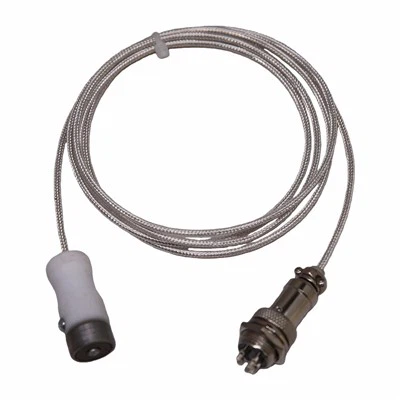
As a supplier of bimetallic thermometers, I can offer a wide range of products that meet the diverse needs of different customers. Whether you need a thermometer for a small – scale laboratory experiment or a large – scale industrial process, I can help you find the right solution.
Digital Temperature Controller If you’re interested in purchasing bimetallic thermometers or have any questions about choosing the right product for your application, I encourage you to contact me for a free consultation. I’m committed to providing you with the best products and services to meet your temperature measurement needs.
References
- "Temperature Measurement Handbook", published by a leading industry association.
- Technical specifications and product catalogs from various bimetallic thermometer manufacturers.
- Industry standards and regulations related to temperature measurement, such as ISO standards.
Jiangsu Zhaolong Electric Co., Ltd.
We’re well-known as one of the leading a bimetallic thermometer manufacturers and suppliers in China, featured by quality products and low price. Please feel free to buy customized a bimetallic thermometer made in China here from our factory. Contact us for more details.
Address: No. 80, Zhangguo Chang’an Road, Dainan Town, Xinghua City, Jiangsu Province
E-mail: 180193845@qq.com
WebSite: https://www.cnzhaolong.com/
