If you’re a user or operator of high pressure breathing air compressors, you already know how non-negotiable consistent, clean, dry air is—whether you’re supporting SCBA teams in firefighting, diving operations, confined space entry, or industrial safety applications. Dust, even fine particulate dust, is one of the most pervasive and damaging threats these compressors face, and ignoring it can lead to everything from shortened component lifespan and dropped air quality to catastrophic equipment failure. As a supplier of high pressure breathing air compressors, I’ve spent years working directly with end users, maintenance teams, and facility managers to troubleshoot the unique challenges of keeping these machines dust-free. Today, I’m breaking down actionable, science-backed steps to protect your compressor from dust, rooted in real-world field experience rather than just textbook theory. High Pressure Breathing Air Compressor
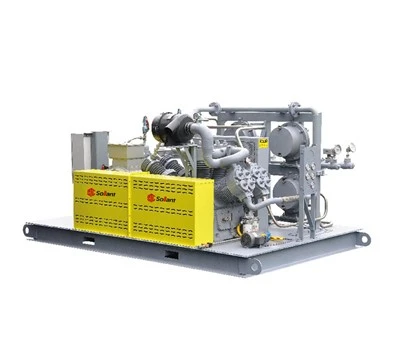
First, let’s ground this in why dust is such a big problem for high pressure breathing air compressors. These systems pull in atmospheric air to compress it to 2,250 psi, 3,000 psi, or even higher for specific applications. Atmospheric dust varies by location: in industrial areas, it might be metal shavings, cement particles, or chemical residues; in remote worksites, it could be sand, pollen, or construction debris; in coastal areas, salt-laden fine dust that’s corrosive. When dust enters the compressor, it doesn’t just get pushed through the system—it gets trapped in critical components. The intake filter, while a first line of defense, has a limited capacity; once it’s loaded, it doesn’t just stop working—it forces the compressor to work harder to pull in air, increasing energy consumption and putting extra strain on motor and pump parts. Worse, fine dust can bypass even good filters if the system isn’t properly sealed, accumulating in the intercoolers, valves, and cylinder walls. Over time, this abrasive dust causes wear on piston rings and cylinder liners, leading to compression loss, and it can also contaminate the air’s oil and moisture separators, compromising breathing air quality. The National Institute for Occupational Safety and Health (NIOSH) has strict standards for breathing air compressors, and even minor dust-related contamination can mean failing air quality tests, putting workers at risk.
The first and most fundamental step to protect your compressor is optimizing your intake system—this is where most facilities cut corners, and it’s often the root cause of dust-related issues. Let’s start with the intake filter, but not just any filter. Not all filters are created equal for high pressure breathing applications. For example, a standard HVAC filter won’t catch the fine particulate matter that can damage compressors. We recommend filters with a MERV rating of 16 or higher, or even HEPA-grade filters for applications in high-dust environments, but paired with a pre-filter to extend their lifespan. Wait, some operators skip pre-filters to save on costs, but this is a false economy. Pre-filters, usually MERV 8 to 11, catch the large, coarse dust particles (sand, dirt, pollen) before they reach the primary filter, so the main filter only has to handle fine particulates. That means you replace the more expensive primary filter far less often. But it’s not just the filter rating—intake placement matters more. I’ve seen compressors installed right next to a loading dock where dump trucks kick up dust, or under a roof overhang that traps sediment and debris blown off the roof. The ideal intake location is at least 10 feet away from any dusty activity (like loading, cutting, or construction), elevated at least 3 feet above ground level to avoid picking up dust kicked up by vehicles or foot traffic, and facing away from prevailing winds that carry dust into the work area. For facilities with extreme dust—like mining sites or concrete plants—we often recommend adding a weatherproof intake hood with a baffle system. These hoods work by forcing incoming air to change direction multiple times, which separates heavy dust particles from the air stream before it even reaches the filter, reducing filter load by up to 40% in field tests.
Next, sealing and housing your compressor correctly is non-negotiable, especially for portable or semi-portable models, which are often moved between worksites where dust levels vary. Even stationary compressors in warehouses or utility sheds can have gaps around access panels, electrical connections, or intake lines that let dust seep in. When we train our clients on new compressor installations, we always emphasize checking every possible air leak point. For access panels, use high-quality, dust-resistant gaskets—not just generic foam strips that degrade in UV light or high temperatures. For electrical and conduit penetrations, use silicone-based sealant or cable glands designed to block particulate matter, rather than just patching them with tape, which fails over time. If your compressor is used in a dusty, outdoor environment, investing in a purpose-built weatherproof and dustproof enclosure is a game-changer. These enclosures are made of heavy-gauge steel or corrosion-resistant aluminum, have filtered ventilation systems (to keep the compressor cool while preventing dust entry), and feature lockable access panels to prevent unauthorized tampering that might leave gaps. I recently worked with a municipal fire department that had issues with compressor failures every 18 months due to dust from nearby road construction. They upgraded to a dustproof enclosure, and their compressor has run for over 4 years with only minor filter changes—saving them tens of thousands of dollars in replacement parts and downtime. For portable compressors that get hauled to job sites, keep them stored in a weathertight toolbox or mobile shelter when not in use, and cover the intake and exhaust ports with protective caps when transporting. Even small amounts of dust that get in during transport can cause wear once the compressor is turned on.
Regular maintenance is the third pillar, and it’s not just about changing filters—though that’s a key part. Many operators only check filters when the compressor’s pressure drops, but by then, dust has already done significant damage. We use a proactive maintenance schedule that’s tailored to your specific dust environment. For example, in low-dust areas (like a clean industrial facility or fire station), inspect the pre-filter every 50 operating hours and the primary filter every 200 hours. In high-dust areas (mining, demolition, agriculture), that timeline jumps to every 20 and 100 hours, respectively. But how do you know when a filter is actually dirty, instead of just visually dirty? Use a pressure gauge on the intake line—most high quality compressors come with a differential pressure gauge that measures the pressure drop across the filter. A pressure drop of 2 to 5 psi (depending on the compressor model) means it’s time to change the filter, regardless of how long it’s been in service. We also recommend adding a filter life indicator light, which alerts operators when the pressure threshold is met, so no one misses it. Beyond filters, during every maintenance check, inspect the compressor’s intercoolers and cooling fins. Dust accumulates here too, blocking airflow and making the compressor work harder, which can actually suck in more dust through the intake in a vicious cycle. Use compressed air (dry, oil-free, of course—no shop air that has moisture or oil) to blow dust off the intercoolers, but always do it from the inside out to avoid pushing dust further into the compressor. Never use a pressure washer, as that can force water and dust into seals and internal components, leading to corrosion or contamination. Also, check the air/oil separator regularly—dust that bypasses the filter can clog this component, leading to oil carryover in the compressed air, which is a direct violation of NIOSH breathing air standards. If you notice oil residue on your air dryer or air line filters, it’s a sign that dust has damaged the separator, and it needs to be replaced immediately.
There are also a few advanced steps for facilities with extremely high dust or strict air quality requirements, which we recommend to our clients who work in high-risk industries. One option is adding a cyclonic pre-separator before the main intake filter. Cyclones use centrifugal force to spin incoming air, throwing heavy dust particles out of the air stream into a collection bin, before the air ever reaches the filter. These are especially effective for coarse dust like sand or soil, and they can reduce primary filter replacement frequency by 60% in applications like construction or mining. Another advanced solution is a closed-loop intake system. This is a sealed system that draws air from a clean, filtered source, rather than from the general atmosphere. For example, you can plumb the compressor’s intake to draw air from a filtered room inside your facility, where dust levels are controlled by HVAC systems. This is ideal for indoor operations where outdoor air is extremely dusty, like industrial plants or confined space entry bases, and it maintains consistent air quality regardless of external conditions. I also want to address a common misconception: some operators think that adding more powerful filters will solve the problem, but this isn’t true. Over-filtering can cause excessive pressure drop, making the compressor work harder, which leads to higher energy costs and increased wear on motor components. It’s about balance: matching your filter setup to your actual dust levels, not just buying the highest MERV filter on the market.
Now, let’s talk about real-world results to back this up. Last year, we worked with a commercial dive company that operated three high pressure breathing air compressors out of a coastal worksite in Florida, where salt dust and sand from nearby beaches and construction sites were constant issues. Before implementing our recommendations, they were replacing primary filters every 2 weeks, and had to rebuild one compressor’s cylinder and piston rings every 12 months due to abrasive dust wear. We installed pre-filters, elevated and repositioned their intakes away from the construction zone, set up a pressure-based filter change schedule, and added a cyclonic pre-separator. Six months later, their primary filters are lasting 8 weeks, they haven’t had any compressor component wear issues, and their breathing air quality tests have been consistently above NIOSH standards. That’s a tangible return on investment—they saved over $15,000 in filter and part costs in the first year, not to mention the downtime avoided when a compressor would go out of service.
At the end of the day, protecting your high pressure breathing air compressor from dust isn’t just a maintenance task—it’s critical for worker safety and operational reliability. A compressor that’s damaged by dust can’t produce clean, breathable air, which puts firefighters, divers, and industrial workers at risk, and unplanned downtime can derail entire projects. If you’re dealing with dust-related issues with your compressor, or you’re looking to upgrade your system to better handle dusty conditions, we’re here to help. Whether you need guidance on intake placement, filter selection, enclosure solutions, or maintenance schedules, our team can work with you to tailor a plan that fits your specific worksite needs. Contact us today to discuss your requirements and learn how we can help keep your compressor running efficiently and safely, no matter the dust levels at your job site.
Natural Gas Compressor Series References:
- National Institute for Occupational Safety and Health. (2020). Recommended Standard for Breathing Air Quality. Centers for Disease Control and Prevention.
- Compressed Air and Gas Institute. (2019). Guide to Protecting Compressed Air Systems from Particulate Contamination. CAGI Publications.
- Occupational Safety and Health Administration. (2021). Best Practices for Portable Air Compressor Maintenance. OSHA Technical Manual.
Shanghai Sollant Energy Saving Technology Co., Ltd.
As one of the most professional high pressure breathing air compressor manufacturers and suppliers in China, we’re featured by quality products and good service. Please rest assured to buy bulk durable high pressure breathing air compressor from our factory. Welcome to view our website for more information.
Address: No.215, Songri Center, Beihongqiao, Jiading District, Shanghai, China.
E-mail: info3@sollant.com
WebSite: https://www.sollant-gas.com/
