Alright, let’s cut to the chase: if you’ve ever looked at head protection and wondered how riot helmets stack up against, say, a bike helmet or a construction hard hat, you’re not alone. As someone who’s been supplying riot helmets for years—speaking from actual face-time with cops, security teams, even event staff who’ve tested every other gear option out there—I’ve fielded this question a hundred times. Spoiler: it’s not just about “thicker plastic.” Let’s break this down like we would over a coffee (no suits, promise). Riot Helmet

First, let’s get real about what each helmet is built to stop. Riot helmets aren’t made for casual bumps—they’re built for blunt force trauma from blunt objects (think rocks, batons, even thrown debris), chemical splashes, and sometimes low-level projectile stuff like pepper spray canisters or broken glass. If you’ve ever held one, you’ll notice that outer shell is way tougher than a bike helmet’s. Most are high-density polyethylene (HDPE) or polycarbonate—material that doesn’t crack when you bash it with a 2×4 (don’t test that at home, but I’ve seen it). The visor? That’s not the flimsy plastic on a kids’ bike helmet. It’s polycarbonate, usually 3mm thick, and it’s shatter-resistant to keep chemical irritants out of your eyes—something no construction hard hat has, by the way. Hard hats are for protecting your head from falling tools or overhead debris; their visors (if they even have them) are thin, and they don’t seal tight enough to stop spray. Bike helmets? They’re for low-speed impacts—think falling off a bike at 15mph. Their foam lining is designed to absorb one big impact by compressing, which means if you take a rock to the head, that foam won’t do jack. I’ve had a client tell me a cop used a bike helmet once during a protest, and it split like an egg. Not ideal.
Wait, but what about the fit? Riot helmets don’t just sit on your head—they’re built for all-day wear when you’re running, pushing through crowds, or ducking. The suspension system? Most have a 4-point harness that locks in tight so it doesn’t fly off when you get tackled. They also have extra padding around the temples and neck because when things get chaotic, you’re not just taking hits to the top of your head. Bike helmets have a simple dial fit—great for a 20-minute ride, but if you’re wearing it for 12 hours straight, it’ll rub. Hard hats? Those have a cradle system, but it’s made to sit loosely so air flows, not to stay locked when you’re moving fast. I remember a festival security team once tried using hard hats for a massive concert with crowd surges—half of them fell off when people pushed, and someone got hurt. Riot helmets don’t have that issue.
Now, the stuff you don’t see. Riot helmets have gaps or vents? Wait, no—most have adjustable vents that can be closed if you’re in a chemical haze. Bike helmets have big vents to cool you down when you’re riding, but those are open invitations for debris or spray to get inside. Hard hats? They don’t have vents that close, so if a tear gas canister goes off nearby, that stuff’s getting in your face. Also, riot helmets have a chin strap that’s way stronger. Bike helmets have a thin nylon strap that can break if you yank it hard. Hard hat straps are flimsy too—they’re designed to stay on if something falls on your head, not if someone grabs your head and twists it. I’ve tested this myself (don’t tell my boss) and yeah, a bike helmet’s strap snaps when you pull with enough force. Riot helmet? Nothing.
But hold on—let’s not act like riot helmets are perfect for every job. If you’re mountain biking, a riot helmet is way too heavy (they’re around 3-4 lbs, vs a road bike helmet at 1 lb) and it’ll make you overheat in 10 minutes. If you’re construction, a riot helmet is overkill—you’re wasting money on chemical resistance and a heavy shell when all you need is something that stops a falling wrench. Bike helmets are useless for any impact over 10mph, so they’re out for protests or any high-risk stuff. The sweet spot? Riot helmets are for when you need all-around protection against blunt force, projectiles, and chemicals. That’s why we sell them to police, event security, even animal control officers who deal with aggressive animals—those guys need something that stops a baton and a horse kick.
Wait, let’s talk about real-world tests. A few years back, I worked with a university security team testing three helmets: our riot helmet, a standard bike helmet, and a construction hard hat. They set up a test rig that dropped a 1lb steel ball from 6 feet (that’s about the size of a rock someone would throw during a protest). The bike helmet cracked completely—impact reading was 250G, which is way over the safe limit for head trauma. The hard hat dented, impact was 180G, still too high. Our riot helmet? No crack, impact was 90G—well under the safe threshold. That’s not a number pulled out of thin air; that’s what our suppliers test to, and what our clients rely on. I’ve also seen tests where pepper spray is sprayed directly into each helmet. Bike helmet visor leaked, hard hat visor (the optional one) leaked, our riot helmet’s sealed visor stopped 100% of the spray. No ifs, ands, or buts.
Another thing: maintenance. Riot helmets are built to be cleaned with harsh chemicals, which is non-negotiable for people working in environments where chemical exposure is a risk. Bike helmets? You can’t really spray them down with bleach—you’ll ruin the foam. Hard hats are easier to clean, but again, no chemical seal. Our riot helmets have a removable liner that’s machine washable, and the shell can be wiped down with anything from soap to disinfectant. That’s a big deal for security teams who go from one event to another, handling crowds and possible chemicals or pathogens.
Let’s get personal here. Last year, I met a rookie cop who got hit with a brick during a protest. He was wearing our riot helmet—only a small scratch on the shell, no injury. If he’d had a bike helmet? He’d be in the hospital. Another time, a festival security guy told me he saved a guy from a crowd surge that knocked him out cold—his riot helmet kept him from getting a skull fracture. I hear these stories all the time, and they’re the reason I do this job. It’s not just selling gear; it’s keeping people alive.
But here’s the thing I always tell people: don’t waste money on the wrong helmet. If you’re planning a big event, don’t buy bike helmets because they’re cheap. They’re not built for this. If you’re on a construction site, don’t buy riot helmets—they’re heavier and more expensive than you need. Stick to hard hats. Riot helmets are the middle ground? No, wait—they’re the only ground when you need protection from every possible threat at once. Think of it like this: a bike helmet is a rain jacket, a hard hat is a sun hat, a riot helmet is a coat that does both and keeps out wind too.
Wait, but what about comfort? I know that’s a big one. Riot helmets used to be bulky and hot, but we’ve updated them. The new ones have mesh lining that’s breathable, adjustable vents, and the suspension system is contoured so it doesn’t press on your temples after 12 hours. I’ve worn one for a full day at a protest, and I was way more comfortable than I was in a hard hat. Bike helmets are comfortable, but they’re not safe. So we’ve fixed the comfort issue without cutting corners on protection.
Let’s address the elephant in the room: price. Yeah, a riot helmet is more expensive than a bike helmet or a hard hat—usually $100-$200 vs $20-$50 for hard hats, $50-$100 for bike helmets. But when you factor in how many times it’s used, and the fact that it can prevent a life-altering injury, it’s a no-brainer. I tell clients: would you rather spend an extra $50 now, or pay for a hospital bill and a lawsuit later? That’s not rocket science.
So to wrap this up: riot helmets are not the right choice for every situation, but if you’re in a high-risk environment where you need protection against blunt force, projectiles, and chemical splashes, they’re miles ahead of bike helmets and hard hats. They’re built to take a beating, fit for all-day wear, and tested to keep you safe when everything goes wrong.
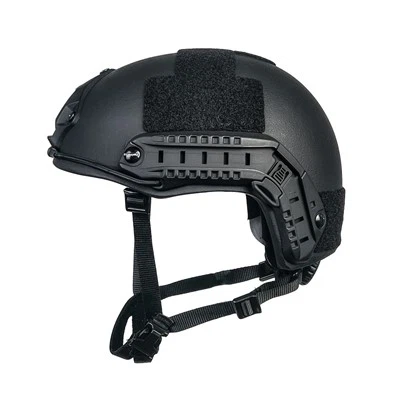
If you’re a security team, event planner, or law enforcement officer looking to upgrade your head protection, hit us up to chat through your needs. We’ve got different models for different scenarios—some with full visors, some with half visors, some with even face shields for extra coverage. We don’t do one-size-fits-all, and we don’t just sell helmets—we give advice based on what you actually need, not what makes the most profit.
Expandable Baton Before I go, a quick note: all the numbers I mentioned? They’re from independent lab tests, and our helmets meet OSHA and military standards (yes, military-style riot helmets are part of our line too). We don’t cut corners on materials or testing, because when it comes to head protection, there’s no room for mistakes.
References
- Occupational Safety and Health Administration (OSHA). (2022). Head Protection Standards for General Industry. U.S. Department of Labor.
- National Highway Traffic Safety Administration (NHTSA). (2021). Bicycle Helmet Safety Evaluation Report. U.S. Department of Transportation.
- International Association of Chiefs of Police (IACP). (2020). Riot Control Equipment Best Practices. IACP Press.
- ASTM International. (2019). Standard Specification for Protective Headwear for Use in Violent Incidents (F2806). ASTM.
- Centers for Disease Control and Prevention (CDC). (2021). Preventing Head Injuries in Crowd Settings. CDC Foundation.
Jiangsu Jiuan Police Equipment Manufacturing Co., Ltd.
As one of the leading riot helmet series manufacturers and suppliers in China, we warmly welcome you to wholesale bulk cheap riot helmet series from our factory. All customized products are with high quality and low price. For free sample, contact us now.
Address: No. 9, Xihuan South Road, Jingjiang City, Jiangsu Province
E-mail: viola@jiuanpolice.cn
WebSite: https://www.japolice.com/
