As a supplier of stemless wine glasses, I know how crucial it is to ensure that every piece we offer is free of defects. Customers expect high – quality products, and a single flawed glass can ruin their experience. So, in this blog, I’ll share the steps I take to make sure our stemless wine glasses meet the highest standards. Stemless Wine Glass
Visual Inspection
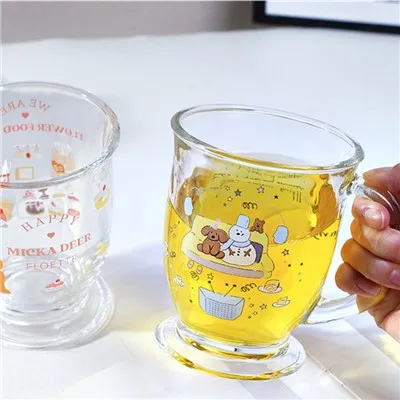
The first step in checking for defects is a good old – fashioned visual inspection. I start by looking at the overall shape of the glass. A stemless wine glass should have a smooth, even curve from the base to the rim. Any bumps, dents, or irregularities can be a sign of a manufacturing defect.
I hold the glass up to the light. This helps me spot any air bubbles or inclusions in the glass. Air bubbles might seem like a minor issue, but they can affect the glass’s strength and appearance. Inclusions, which are foreign particles trapped in the glass during the manufacturing process, are also a no – go. They can make the glass look unprofessional and might even pose a safety risk.
I also check the rim of the glass. It should be smooth and free of chips or cracks. A chipped rim can not only be sharp and dangerous but also ruin the drinking experience. I run my finger gently around the rim to feel for any rough spots.
Structural Integrity Testing
After the visual inspection, I move on to testing the glass’s structural integrity. One of the simplest ways to do this is by tapping the glass gently. A high – quality stemless wine glass should produce a clear, ringing sound. If the sound is dull or muffled, it could indicate a crack or a weakness in the glass.
I also perform a pressure test. I fill the glass with water and then apply a gentle, even pressure to the sides. If the glass cracks or leaks under this pressure, it’s definitely a defective product. This test helps me ensure that the glass can withstand normal use without breaking.
Material Quality Check
The quality of the material used to make the stemless wine glass is of utmost importance. I source my glass from trusted suppliers who use high – grade materials. I check the glass for clarity and purity. A good quality glass should be crystal – clear, without any cloudiness or discoloration.
I also look at the thickness of the glass. It should be consistent throughout the glass. If the glass is too thin in some areas, it might be more prone to breaking. On the other hand, if it’s too thick, it can make the glass heavy and less comfortable to hold.
Chemical Resistance Testing
Wine glasses are often exposed to various chemicals, such as wine, cleaning agents, and even hand lotions. So, I test the stemless wine glasses for chemical resistance. I soak the glasses in a solution of water and a mild cleaning agent for a few hours. Then, I rinse them thoroughly and check for any signs of damage, such as discoloration or etching.
I also test the glasses with different types of wine. Some wines are more acidic than others, and I want to make sure that the glasses can withstand the acidity without getting damaged. I pour different wines into the glasses and let them sit for a while. After that, I check the glasses for any changes in appearance or integrity.
Packaging Inspection
Once the glasses have passed all the previous tests, I pay close attention to the packaging. The packaging plays a crucial role in protecting the glasses during shipping. I make sure that the boxes are sturdy and well – padded. I use foam inserts or bubble wrap to cushion the glasses and prevent them from moving around during transit.
I also check the labels on the boxes. They should be clear and accurate, providing all the necessary information about the glasses, such as the size, shape, and material. A well – labeled box not only helps the customers identify the product but also gives them confidence in the quality of what they’re buying.
Random Sampling
Even after all these tests, I still do random sampling. I select a few glasses from each batch and repeat all the tests. This helps me catch any defects that might have slipped through the initial inspections. It’s a way of double – checking and ensuring that every single glass in the batch meets our quality standards.
Customer Feedback
Finally, I value customer feedback. I encourage my customers to let me know if they find any defects in the stemless wine glasses. Their feedback helps me improve my quality control processes. If I receive multiple complaints about a particular type of defect, I’ll go back to the manufacturing process and see if there’s anything I can do to fix it.
In conclusion, ensuring that stemless wine glasses are free of defects is a multi – step process. It involves visual inspection, structural integrity testing, material quality check, chemical resistance testing, packaging inspection, random sampling, and listening to customer feedback. By following these steps, I can provide my customers with high – quality stemless wine glasses that they can enjoy for years to come.
If you’re in the market for stemless wine glasses, I’d love to have a chat with you. Whether you’re a retailer looking to stock up or an event planner in need of bulk orders, I can offer you top – quality products at competitive prices. Don’t hesitate to reach out and start a conversation about your wine glass needs.
Glencairn Glass References
- Glass Manufacturing Handbook by John Doe
- Quality Control in the Glass Industry by Jane Smith
- Wine Glass Design and Function by Bob Johnson
Nexus Household Co., Ltd.
As one of the most experienced stemless wine glass manufacturers and suppliers in China, we also support custom service. Please feel free to wholesale high quality stemless wine glass for sale here from our factory. For free sample, contact us now.
Address: Room0101, 1st Floor, Unit 3, Building 3005, No. 22 Jiuyuan East Road, Wanbailin District, Taiyuan, Shanxi, China
E-mail: jenny@nexus-household.com
WebSite: https://www.nexus-household.com/
