As a supplier of Synchronous Fusing HF Welding Machines, I’ve witnessed firsthand the importance of welding quality in various industries. High – quality welding not only ensures the durability and functionality of the products but also enhances the overall efficiency of the manufacturing process. In this blog, I’ll share some practical tips on how to improve the welding quality of a Synchronous Fusing HF Welding Machine. Synchronous Fusing HF Welding Machines

Understanding the Basics of Synchronous Fusing HF Welding
Before delving into the ways to improve welding quality, it’s essential to understand the basic principles of Synchronous Fusing HF Welding. This welding method uses high – frequency electromagnetic fields to generate heat at the joint of two materials. The heat melts the materials, allowing them to fuse together. The synchronous aspect refers to the precise control of the welding process, ensuring that the fusing occurs at the right time and with the right amount of energy.
Selecting the Right Materials
The choice of materials plays a crucial role in welding quality. For Synchronous Fusing HF Welding, materials with high dielectric loss factors are preferred. These materials can absorb the high – frequency energy more effectively, resulting in better heat generation and fusion. When selecting materials, consider their chemical composition, thickness, and surface condition.
- Chemical Composition: Different materials have different melting points and chemical properties. For example, PVC (Polyvinyl Chloride) is a commonly used material in HF welding due to its relatively low melting point and good dielectric properties. However, if you’re working with other materials like TPU (Thermoplastic Polyurethane), you need to adjust the welding parameters accordingly.
- Thickness: The thickness of the materials affects the welding process. Thicker materials require more energy to melt and fuse. Make sure to choose materials that are within the recommended thickness range for your Synchronous Fusing HF Welding Machine.
- Surface Condition: The surface of the materials should be clean and free of contaminants. Grease, dust, or other impurities can prevent proper fusion and lead to weak welds. Before welding, clean the materials thoroughly using appropriate solvents or cleaning agents.
Optimizing Welding Parameters
Proper adjustment of welding parameters is key to achieving high – quality welds. The main parameters to consider include frequency, power, pressure, and welding time.
- Frequency: The frequency of the high – frequency field affects the heat generation and penetration depth. Different materials require different frequencies for optimal welding. For most applications, a frequency in the range of 27.12 MHz is commonly used. However, you may need to adjust the frequency based on the specific materials and the thickness of the workpieces.
- Power: The power output of the welding machine determines the amount of heat generated. Higher power can result in faster welding, but it also increases the risk of overheating and burning the materials. It’s important to find the right balance between power and welding quality. Start with a lower power setting and gradually increase it until you achieve the desired weld strength.
- Pressure: Applying the right amount of pressure during welding is crucial for ensuring good contact between the materials and promoting proper fusion. Too much pressure can cause the materials to deform, while too little pressure can result in weak welds. The pressure should be evenly distributed across the welding area.
- Welding Time: The welding time depends on the thickness of the materials and the power output of the machine. Longer welding times generally result in stronger welds, but they also increase the risk of overheating. You need to find the optimal welding time for your specific application through trial and error.
Maintaining the Welding Machine
Regular maintenance of the Synchronous Fusing HF Welding Machine is essential for ensuring consistent welding quality. Here are some maintenance tips:
- Cleaning: Keep the machine clean to prevent the accumulation of dust and debris. Regularly clean the electrodes, the welding area, and the cooling system. Use a soft brush or compressed air to remove any dirt or particles.
- Inspection: Periodically inspect the machine for any signs of wear or damage. Check the cables, connectors, and electrodes for any loose connections or signs of corrosion. Replace any worn – out parts immediately.
- Calibration: Calibrate the machine regularly to ensure accurate control of the welding parameters. This includes checking the frequency, power, and pressure settings. Use a calibrated measuring device to verify the accuracy of the machine’s readings.
Training the Operators
Well – trained operators are essential for achieving high – quality welds. Provide comprehensive training to your operators on the operation and maintenance of the Synchronous Fusing HF Welding Machine. The training should cover the following aspects:
- Machine Operation: Teach the operators how to set up the machine, adjust the welding parameters, and start and stop the welding process. Make sure they understand the safety procedures and precautions.
- Welding Techniques: Train the operators on proper welding techniques, such as how to position the materials, apply pressure, and control the welding time. Provide them with hands – on practice to improve their skills.
- Quality Control: Educate the operators on the importance of quality control and how to inspect the welds for defects. Teach them how to identify common welding defects, such as cracks, porosity, and incomplete fusion, and how to take corrective actions.
Quality Control Measures
Implementing quality control measures is crucial for ensuring that the welds meet the required standards. Here are some quality control measures you can take:
- Visual Inspection: Conduct a visual inspection of the welds after each welding operation. Look for any signs of defects, such as cracks, porosity, or uneven fusion. If any defects are found, take immediate corrective actions.
- Destructive Testing: Perform destructive testing on a sample of the welds to evaluate their strength and integrity. This can include tensile testing, shear testing, or peel testing. The results of the destructive testing can help you determine if the welding process needs to be adjusted.
- Non – Destructive Testing: Use non – destructive testing methods, such as ultrasonic testing or X – ray testing, to detect any internal defects in the welds. These methods can provide a more accurate assessment of the weld quality without damaging the workpieces.
Conclusion
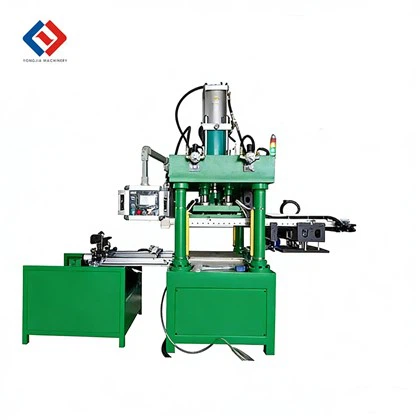
Improving the welding quality of a Synchronous Fusing HF Welding Machine requires a combination of proper material selection, optimized welding parameters, regular machine maintenance, well – trained operators, and effective quality control measures. By following these tips, you can ensure that your welding process is efficient, reliable, and produces high – quality welds.
Blister Packaging Machine If you’re interested in learning more about our Synchronous Fusing HF Welding Machines or have any questions about improving welding quality, feel free to contact us. We’re always ready to assist you in finding the best solutions for your welding needs.
References
- Welding Handbook, American Welding Society
- High – Frequency Welding Technology, Industrial Press
Dongguan Yongjia Machinery Equipment Co., Ltd.
We are one of the most reliable synchronous fusing hf welding machines manufacturers and suppliers in China, specialized in providing high quality customized service. Please feel free to wholesale advanced synchronous fusing hf welding machines at low price from our factory. For quotation, contact us now.
Address: No. 240, Chashan South Road, Chashan Town, Dongguan City, Guangdong Province, China
E-mail: info@yjwelding.com
WebSite: https://www.yjhighfrequencymachine.com/
